
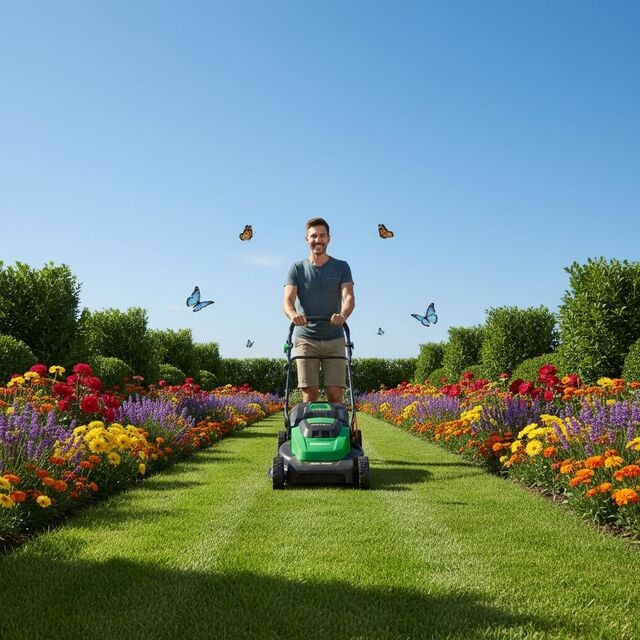
Welcome to Simply Lawn, your trusted partner in professional lawn care services. Whether you're a homeowner looking to maintain your yard or seeking expert help, our comprehensive guide to mowing the lawn will equip you with the knowledge to achieve a vibrant, healthy lawn. At Simply Lawn, we specialize in top-tier lawn maintenance, including precise grass cutting and customized mowing solutions. Ready to transform your outdoor space? Contact us today for a free consultation.
I. Introduction to Lawn Mowing
A. Importance of Proper Mowing for Lawn Health and Appearance
Mowing the lawn is more than just a chore, it's a fundamental aspect of lawn maintenance that directly impacts your yard's health and curb appeal. Proper mowing encourages dense grass growth, prevents weed invasion, and enhances the overall aesthetics of your property. When done correctly, mowing the lawn promotes stronger roots, better water retention, and resistance to pests and diseases. At Simply Lawn, our experienced team understands these benefits and applies them to deliver manicured lawns that stand out in any neighborhood.
Improper techniques, however, can lead to issues like thinning grass, scalping, or increased susceptibility to drought. By following best practices in mowing the lawn, you can maintain a lush, green carpet that boosts your home's value. Semantically related to effective grass cutting, regular lawn care routines ensure your yard remains a source of pride.
B. Understanding the Basics of Grass Growth
Grass growth is influenced by factors like soil type, climate, sunlight, and watering. Most grasses follow a cycle of active growth in spring and fall, slowing in summer heat or winter dormancy. Understanding this helps in timing your mowing the lawn sessions effectively. For instance, cool-season grasses like Kentucky bluegrass thrive in moderate temperatures, while warm-season varieties such as Bermuda grass peak in summer.
At Simply Lawn, we tailor our services to your grass type, ensuring optimal growth through expert mowing and maintenance. This knowledge prevents common pitfalls and supports sustainable lawn health.
II. When to Mow the Lawn
A. Optimal Timing
1. Best Time of Day (e.g., mid-morning or early evening)
The ideal time for mowing the lawn is mid-morning after dew has evaporated or early evening when temperatures cool. This timing minimizes stress on the grass and allows clippings to dry properly. Avoid early mornings to prevent clumping, and steer clear of late evenings to give grass time to recover overnight.
2. Avoiding Mowing Wet Grass (reasons: clumping, uneven cuts, disease spread, safety, mower damage)
Mowing the lawn when wet is a recipe for disaster. Wet grass clumps, leading to uneven cuts and potential disease spread through fungal spores. It also poses safety risks from slippery surfaces and can damage your mower with buildup. At Simply Lawn, we schedule services during dry conditions to ensure pristine results.
3. Avoiding Mowing During Peak Heat
High midday heat stresses grass, making it vulnerable during mowing the lawn. Cutting in extreme temperatures can cause browning and slow recovery. Opt for cooler parts of the day to keep your lawn resilient.
B. Mowing Frequency
1. Mowing Based on Growth, Not a Fixed Schedule
Base your mowing the lawn frequency on grass growth rather than a rigid calendar. Monitor blade height and mow when grass reaches about one-third taller than your target height. This adaptive approach keeps your lawn healthy without unnecessary cuts.
2. Seasonal Adjustments (e.g., more frequent in spring, less in dormant periods)
In spring, rapid growth may require weekly mowing the lawn, while summer heat or winter dormancy calls for less frequent sessions. Adjust based on your region's climate, Simply Lawn's experts handle these variations seamlessly for year-round beauty.
3. Importance of Regular Mowing
Consistent mowing the lawn promotes even growth, discourages weeds, and maintains density. Skipping sessions leads to overgrown, unhealthy turf. Our team at Simply Lawn ensures regular care to prevent these issues.
C. Mowing New Lawns
1. First Mow for Seeded Lawns
For newly seeded lawns, wait until grass reaches 3-4 inches before the first mowing the lawn. Cut lightly to encourage establishment without stressing young roots.
2. First Mow for Sodded Lawns
Sod can be mowed sooner, typically after 2-3 weeks when roots take hold. Keep initial cuts high to support quick integration.
III. How to Mow for a Healthy Lawn
A. Mowing Height
1. The "One-Third Rule" (never remove more than 1/3 of the grass blade)
Adhere to the one-third rule when mowing the lawn: never cut more than one-third of the blade length in a single session. This minimizes shock and supports vigorous regrowth.
2. Recommended Heights for Different Grass Types and Seasons
Cool-season grasses like fescue thrive at 2.5-3.5 inches, while warm-season types like zoysia prefer 1-2 inches. Raise heights in summer for shade and moisture retention. Simply Lawn customizes these settings for optimal results.
3. Benefits of Taller Grass (root development, weed suppression, moisture retention)
Taller grass from proper mowing the lawn fosters deeper roots, suppresses weeds, and retains soil moisture, reducing watering needs and enhancing drought tolerance.
B. Mowing Patterns
1. Varying Mowing Direction to Prevent Ruts and Promote Upright Growth
Alternate directions each time you mow the lawn to avoid soil compaction and encourage straight, upright blades. This prevents ruts and promotes even wear.
2. Techniques for Straight Stripes or Checkerboard Patterns
For professional stripes, use a roller attachment and mow in straight lines, alternating directions. Checkerboard patterns add visual appeal, techniques our Simply Lawn pros master for stunning effects.
3. Overlapping Passes
Overlap each pass by 2-3 inches when mowing the lawn to ensure no missed spots and a uniform cut.
C. Grass Clippings Management
1. Benefits of Leaving Clippings (mulching, nutrient return)
Mulching clippings during mowing the lawn returns nitrogen to the soil, acting as natural fertilizer and reducing waste.
2. When to Bag Clippings (e.g., excessive growth, disease, weed control product use)
Bag clippings if growth is excessive, during disease outbreaks, or after applying weed control to prevent spread.
3. Proper Disposal of Clippings (compost, mulch)
Compost clippings for garden use or spread as mulch. For eco-friendly tips, check resources from the University of Minnesota Extension.
D. Edging and Trimming
Edging defines borders, while trimming reaches tight spots. These finishing touches elevate your lawn's appearance, services Simply Lawn includes in every package.
IV. Mower Maintenance
A. Sharp Blades
1. Importance of Sharp Blades (clean cut, less stress, disease prevention)
Sharp blades ensure clean cuts when mowing the lawn, reducing plant stress and disease risk from torn edges.
2. How Often to Sharpen/Replace Blades
Sharpen blades every 20-25 hours of use or replace annually for peak performance.
B. General Mower Care
1. Cleaning the Mower
Clean under the deck after each mowing the lawn to prevent buildup and corrosion.
2. Pre-season and Post-season Maintenance
Inspect and tune up before spring, store properly in winter, Simply Lawn offers maintenance plans to keep your equipment ready.
3. Fuel and Oil Maintenance
Use fresh fuel and check oil levels regularly for reliable operation.
V. Mowing Equipment
A. Types of Mowers (e.g., push, self-propelled, riding, zero-turn, robotic, battery, gas)
From push mowers for small yards to zero-turn models for large areas, options abound. Battery-powered and robotic mowers offer eco-friendly alternatives to gas models.
B. Choosing the Right Mower
Select based on yard size, terrain, and budget. Simply Lawn uses professional-grade equipment for efficient grass cutting.
C. Attachments and Accessories (e.g., mulching kits, bagging attachments)
Enhance functionality with mulching kits or baggers for versatile mowing the lawn.
VI. Advanced Mowing Considerations & Troubleshooting
A. Dealing with Specific Lawn Conditions
1. Shaded Areas
In shade, raise mowing heights and mow less frequently to compensate for slower growth.
2. Slopes and Hills
Mow across slopes for safety and use self-propelled mowers on inclines.
B. Common Mowing Mistakes to Avoid
1. Scalping the Lawn
Avoid cutting too low, which weakens grass, stick to recommended heights when mowing the lawn.
2. Mowing Too Infrequently
Infrequent mowing leads to thatch buildup; maintain a regular schedule.
C. Impact of Mowing on Lawn Stress and Recovery
Proper mowing the lawn aids quick recovery from stress like drought, while poor practices prolong issues.
VII. Safety When Mowing
A. Clearing the Lawn of Obstacles
Remove debris, toys, and rocks before mowing the lawn to prevent accidents and equipment damage.
B. Wearing Protective Gear
Use eye protection, sturdy shoes, and earplugs for safe operation.
C. Safe Operation of Equipment
Follow manufacturer guidelines, never leave mowers running unattended, and keep children and pets away.
At Simply Lawn, safety is our priority in every service. Let our professionals handle mowing the lawn for you, schedule now and enjoy a worry-free yard.
FAQ: Your Questions on Mowing the Lawn Answered
How often should I be mowing the lawn?
Frequency depends on growth rate, typically every 5-7 days in peak seasons. Monitor and follow the one-third rule for best results.
What's the best height for mowing the lawn?
It varies by grass type: 2-3 inches for most, higher in shade or heat. Consult Simply Lawn for personalized advice.
Can I mow the lawn when it's wet?
No, avoid it to prevent clumping, disease, and safety issues. Wait for dry conditions.
Why choose Simply Lawn for mowing services?
Our experts use top equipment and techniques for superior results, saving you time and ensuring a healthy lawn. We're the authority in local lawn care.
Is mulching clippings good when mowing the lawn?
Yes, it returns nutrients to the soil, reducing fertilizer needs and promoting sustainability.
For more expert tips or to hire Simply Lawn, get in touch today. Your perfect lawn awaits!