

Introduction: Laying the Foundation for Client Success
In the competitive landscape of professional lawn care, client success is the ultimate metric. A lush, healthy lawn is not a result of sporadic effort but of a strategic, year-round plan. While homeowners see a checklist of tasks, professionals see a dynamic blueprint, a seasonal lawn care schedule that anticipates needs, prevents problems, and delivers consistent, high-quality results. This blueprint transforms a simple service into a trusted partnership, ensuring client satisfaction and fostering long-term business growth. As the U.S. lawn care market is projected to reach $79.55 billion by 2030, mastering this strategic approach is no longer optional; it's essential for thriving in a growing industry.
The Professional Edge: Why a Blueprint, Not Just a Checklist
A checklist is reactive; a blueprint is proactive. A professional lawn care schedule is a comprehensive strategy tailored to a specific property. It integrates soil science, agronomy, and climatology to create a predictable path to a thriving lawn. This approach moves beyond simply applying fertilizer or mowing grass. It involves precise timing, customized product selection, and a deep understanding of the turf's lifecycle. By presenting clients with a clear, season-by-season calendar, you demonstrate expertise, manage expectations, and build confidence, proving that exceptional results are achieved through methodical planning, not chance.
Understanding Your Client's Lawn: A Holistic Approach
Before any schedule is implemented, a thorough diagnostic assessment is non-negotiable. This holistic view considers three critical factors: grass types, regionality, and the soil itself. Whether you're managing cool-season grasses like Kentucky bluegrass and tall fescue in the north or warm-season varieties like Bermuda in the south, the fundamental maintenance calendar will differ dramatically. Regional climate variations dictate the timing for fertilization, weed control, and aeration. Most importantly, the soil is the foundation. A lawn is only as healthy as the soil beneath it, making an initial analysis the starting point for any successful lawn care program.
Core Principles: The Year-Round Strategy for Professional Lawn Care
A successful seasonal schedule is built upon a foundation of core principles that guide every action throughout the year. These pillars ensure that your approach is scientific, consistent, and effective, forming the strategic backbone of your client services.
Soil Health: The Unsung Hero of a Thriving Lawn
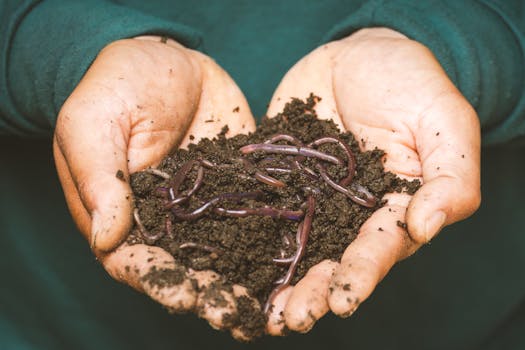
Exceptional lawns begin with healthy soil. Before implementing any treatment plan, conducting a professional soil test is the first step. This analysis reveals the soil's pH level and nutrient composition, providing the data needed for precise adjustments. Most turfgrasses thrive in a pH range of 6.0 to 7.0; outside this range, nutrient uptake is severely hindered, rendering fertilizer applications ineffective. Based on test results, you can apply specific pH adjustment products like lime to raise pH or sulfur to lower it. Furthermore, assessing soil structure for issues like compaction and poor drainage informs the need for physical interventions like aeration and topdressing with organic matter to improve soil texture and health.
Knowing Your Turf: Cool-Season vs. Warm-Season Grasses
A one-size-fits-all schedule is a recipe for failure. The fundamental difference between cool-season and warm-season grasses dictates the entire maintenance calendar. Cool-season grasses (e.g., Kentucky bluegrass, tall fescue, ryegrasses) have their primary growth periods in the spring and fall. For these grass types, fall is the most critical time for fertilization, aeration, and seeding. Conversely, warm-season grasses (e.g., Bermuda, Zoysia, St. Augustine) actively grow during the heat of summer. Their key maintenance tasks, such as aggressive fertilization and core aeration, are scheduled for late spring and early summer to capitalize on their peak growth cycle.
Proactive Planning and Client Communication
A detailed lawn care calendar is both an internal operational tool and a powerful client communication asset. Presenting a seasonal lawn care schedule to your client at the beginning of your partnership sets clear expectations for the services they will receive and when. It frames your work as a deliberate, year-round process. This transparency builds trust and educates the client on the value of consistent maintenance. As homeowners increase their investment in their properties, with the average U.S. household lawn‑and‑garden spend hitting $616 in 2024, clear communication about your comprehensive plan justifies their expenditure and reinforces your professionalism.
The Professional's Toolkit: Equipment and Expertise
The best schedule is only as effective as the tools used to execute it. Professional lawn care demands well-maintained equipment. This includes regularly sharpened mower blades for a clean cut that prevents tearing and disease entry, properly calibrated spreaders for even fertilizer and seed distribution, and powerful aerators that can effectively reduce soil compaction. Mower deck height must be adjusted seasonally based on the grass type and environmental conditions to promote deep roots and shade out weeds. Expertise in using these tools ensures that each application and maintenance task is performed correctly for maximum impact.

Spring: Awakening the Lawn and Establishing Resilience
Spring is a season of rapid growth and foundational work. The actions taken now set the stage for the lawn's performance through the heat of summer and beyond.
Initial Site Assessment and Spring Cleaning
The first visit of the season should involve a thorough site walk-through. This includes spring cleaning to remove any lingering leaves, branches, or debris from winter that could smother emerging grass and promote disease. This is also the time to assess for any winter damage, such as snow mold, and identify areas that may need special attention.
Essential Soil Amendments and Testing
If a soil test wasn't performed in the fall, early spring is the next best opportunity. The ground has thawed, allowing for accurate sample collection. Based on the results, this is the ideal time to apply necessary pH adjustment products or other soil amendments, as the spring rains will help incorporate them into the soil profile.
Strategic Spring Fertilization: Fueling Vigorous Growth
As the soil temperatures rise, the grass begins its active growth phase and requires nutrients. A balanced, slow-release fertilizer application is one of the key spring lawn care tasks. This provides a steady supply of nitrogen to support vigorous, healthy growth without causing an excessive surge that can lead to weak blades. This initial fertilization helps the lawn recover from winter dormancy and build density to naturally crowd out weeds.
Aeration and Dethatching for Optimal Root Development
Soil compaction from winter snow and spring rain can restrict air, water, and nutrient flow to the root system. For many lawns, especially those with heavy clay soil, spring core aeration is essential for encouraging deep roots. Dethatching, the removal of the thick layer of dead organic matter at the soil surface, should only be done when the thatch layer is excessive (over half an inch) and the grass is actively growing and can recover quickly.
Early Pest and Disease Monitoring
Warmer, damp weather can create ideal conditions for fungal diseases and the emergence of pests. Early spring inspections should look for signs of soil grubs or the first indicators of common lawn diseases. Implementing preventative disease prevention measures and having pest control plans ready allows for swift action before a minor issue becomes a major infestation.
Overseeding for Cool-Season Grasses
While fall is the optimal time, early spring is the second window for overseeding thin or bare patches in cool-season lawns. Introducing new grass seed helps thicken the turf, improving its appearance and resilience against weeds and stress. It is crucial to use high-quality seed and ensure good seed-to-soil contact for successful germination.

Summer: Sustaining Health and Battling Environmental Stress
Summer challenges a lawn with heat, drought, and increased pest and disease pressure. The focus of the maintenance schedule shifts from promoting growth to preserving health and managing stress.
Precision Watering and Efficient Irrigation Systems
Proper watering is paramount during the summer. The professional standard is deep, infrequent watering, which encourages the root system to grow deeper into the soil where it is cooler and moisture is more available. An effective watering schedule delivers about one inch of water per week, applied early in the morning to minimize evaporation. Professionals should also audit irrigation systems to ensure efficient, head-to-head coverage and proper drainage, preventing waste and runoff.
Vigilant Disease Monitoring and Treatment
High humidity and warm nights are a breeding ground for turfgrass diseases like brown patch and dollar spot. A professional schedule includes regular inspections to catch the early signs of these diseases. If necessary, targeted applications of fungicides can control the outbreak and prevent widespread damage to the lawn.
Tailored Care for Warm-Season Grasses
Summer is the peak growing season for warm-season grasses. The schedule for these lawns will include more aggressive fertilization to support their growth. This is also the prime time for core aeration to improve the health of Bermuda or Zoysia turf. In some high-maintenance scenarios, plant growth regulators may be used to manage vertical growth and improve turf density.
Managing Heat and Drought Stress
Even with a proper watering schedule, extreme heat can push a lawn, particularly cool-season grasses, into dormancy. A dormant grass turns brown but is still alive. Professionals must educate clients on the difference between dormancy and death, advising them to reduce mowing frequency and raise the mower height to reduce stress on the dormant turf.

Fall: Preparing for Winter and Promoting Long-Term Health
Fall is arguably the most important season in a professional lawn care calendar, especially for cool-season grasses. The focus shifts to recovery, repair, and preparation for the dormant winter months.
Crucial Fall Fertilization: Building Winter Strength
For cool-season lawns, the most critical fertilization of the year happens in the fall. An application of a high-nitrogen "winterizer" fertilizer in late fall provides the grass with the essential nutrients it needs to develop strong roots and store carbohydrates for the winter. This autumn care ensures the lawn will survive the cold and emerge stronger and greener the following spring.
Final Weed and Pest Control Applications
Fall is the ideal time for broadleaf weed control. Weeds like dandelions and clover are actively transporting nutrients to their roots, meaning they will readily absorb post-emergent herbicides, resulting in a more effective kill. This proactive step significantly reduces the number of weeds that will appear next spring. This is also a key time for controlling certain pests.
Thorough Leaf Management and Debris Removal
Allowing a thick layer of leaves to sit on the lawn over winter is detrimental. It smothers the grass, blocks sunlight, and traps moisture, creating a perfect environment for snow mold and other diseases. A professional schedule includes thorough leaf removal using a lawn rake or mulching mower to protect the health of the turf.
Equipment Winterization
As the season winds down, equipment winterization becomes a priority. This includes draining fuel from mowers, cleaning and servicing aerators and spreaders, and sharpening all blades. Proper equipment maintenance in the fall ensures that your tools are ready to go for the first day of spring without costly delays.
Winter: Protection, Planning, and Off-Season Management
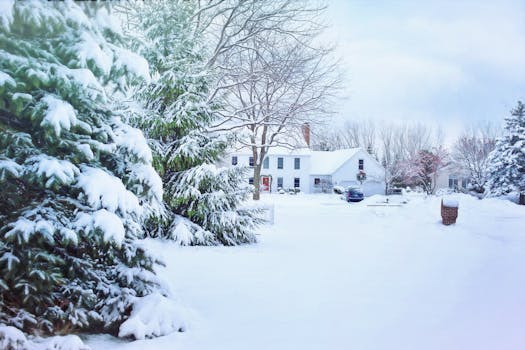
While the lawn may be dormant, a professional's work continues. Winter is a critical period for planning, client engagement, and ensuring operational readiness for the upcoming season.
Understanding Dormancy and Winter Protection
During dormancy, the grass is not dead but in a state of suspended animation. It's important to minimize heavy foot traffic on dormant grass, as the frozen crowns can be easily damaged. Protecting the lawn from de-icing salts and watching for potential issues like frost heave or vole damage are key winter tasks.
Strategic Planning for the Upcoming Season
Winter is the time to finalize the lawn care calendar for the next year. This involves reviewing the performance of each client's lawn, noting any persistent issues with weeds or diseases, and adjusting the lawn care plans accordingly. It's also the perfect time for client communication, sending out renewal notices, and discussing potential service upgrades or new goals for their property.
Off-Season Equipment Care and Inventory Management
The off-season provides the ideal opportunity for comprehensive equipment maintenance beyond basic winterization. This is the time for a full tune-up on every mower, a detailed inspection of all tools and outdoor equipment, and a thorough inventory check of products like fertilizer, seed, and herbicides. Ordering supplies during the winter ensures you are fully stocked and prepared for the spring rush.
Conclusion
A seasonal lawn care schedule is far more than a list of tasks; it is a professional blueprint for predictable excellence and sustained client success. By moving beyond a reactive checklist and embracing a proactive, science-based strategy, lawn care professionals can elevate their service, justify their value, and build lasting client relationships. This comprehensive calendar, rooted in a deep understanding of soil health, grass types, and seasonal needs, is the framework that prevents problems, maximizes lawn potential, and ensures a dense, healthy turf year after year. Implementing this blueprint not only leads to beautiful lawns but also contributes to the tangible value of a property, as well-designed outdoor spaces may raise a property's value by 5.5% to 12.7%. For the modern lawn care professional, this strategic schedule is the ultimate tool for delivering on promises and cultivating a thriving business.