
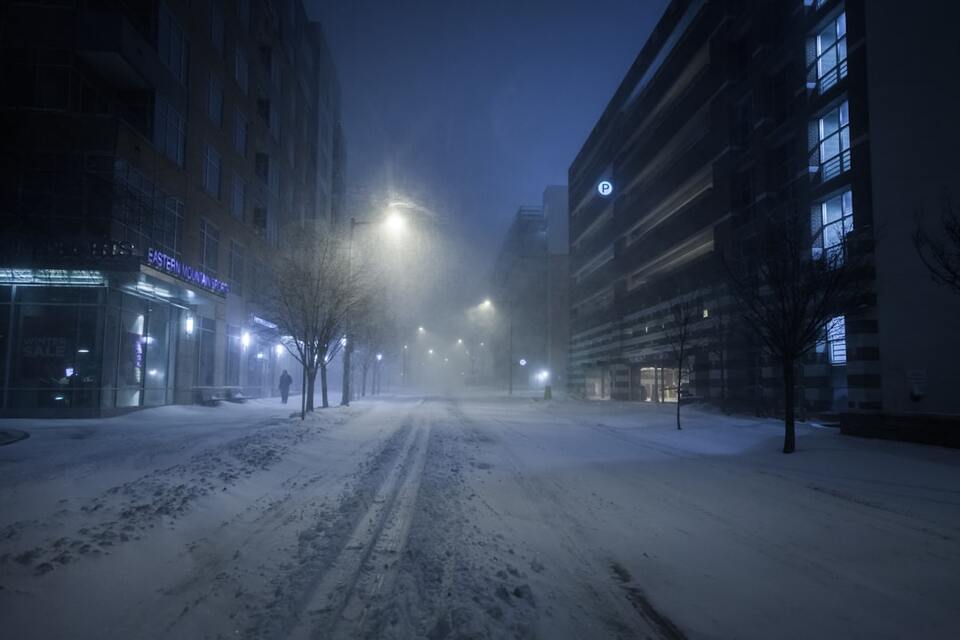
When the first snowflakes begin to fall, they bring a quiet beauty that can quickly transform into a significant challenge. Heavy snowfall can disrupt daily life, block access to essential services, and create hazardous conditions on your property. Removing snow well is not just about looks. It is an important part of winter care. It keeps people safe, makes places easy to access, and gives peace of mind. Many tools, techniques, and products can be confusing. A good plan can make this seasonal chore easier and more efficient. Managing snow and ice well is an important part of owning property responsibly.
Introduction: Conquering Winter with Confidence
The Importance of Efficient & Safe Snow Removal
Removing snow well is not just about looks. It is an important part of winter care. It keeps people safe, makes places easy to access, and gives peace of mind. Removing snow inefficiently wastes time and energy. Unsafe methods can cause serious injuries like muscle strains, slips, or dangerous heart problems. For property owners, the responsibility extends beyond their doorstep. A clear driveway allows safe passage. It ensures Emergency transport services have open access. This access is critical for timely Patient care. Clearing sidewalks properly stops accidents for pedestrians. It also follows local laws. Managing snow and ice well protects your property from damage. It keeps your property valuable and helps keep your community safe. It’s about more than just moving snow; it’s about creating a secure environment for yourself, your family, and your neighbors throughout the winter months.
What This Guide Will Cover: A Homeowner’s Ultimate Resource
This definitive guide is designed to be your all-in-one resource for conquering winter. We will move beyond basic tips to provide a comprehensive framework for snow and ice management. Use a complete approach. This includes checking your property, choosing the right tools like snow shovels or snow blowers, using smart de-icing methods, and always focusing on safety. Doing this can make winter chores easier and more efficient. We'll start with proactive planning before the first snowfall, helping you assess your property and stock the right supplies. You'll learn how to choose the perfect arsenal of equipment, from high-tech Snow Blowers to dependable snow shovels. We will explain the science of deicers. We will show the differences between salt, chlorides, and eco-friendly options. Most importantly, this guide will equip you with proven techniques for clearing snow efficiently and, above all, safely. Whether you're facing a light dusting or a major blizzard, you will have the knowledge to handle it with confidence.
Before the First Flake: Strategic Planning & Property Preparation
The most effective snow removal strategy begins long before the winter season. Proactive preparation allows you to face the first snowfall with a clear plan and the right resources, minimizing stress and maximizing efficiency when the storm arrives. A small investment in time during the autumn can save you significant effort and potential headaches later.
❄️ Need Help Clearing Snow Safely & Quickly?
Winter storms can hit hard: and keeping your driveway, walkways, and sidewalks clear isn't just about convenience, it's about safety. If you’d rather skip the hassle, Simply Lawn makes it easy to find verified, insured local pros who handle snow removal the right way: efficiently, safely, and reliably.
Assessing Your Property: Understanding Site Conditions
Every property is unique, with its own set of challenges and priorities. Before winter sets in, take a walk around your property to understand its specific site conditions. Find the important areas that need quick and regular clearing. These include walkways, stairs, the driveway, access to fuel tanks or meters, and paths to mailboxes. Note the surfaces you'll be clearing, asphalt, concrete, pavers, wood decks, as this will influence your choice of tools and deicers.
Consider factors like slope and drainage. A steep driveway may require more aggressive traction aids, while low-lying areas might be prone to refreezing. Observe sun exposure; south-facing surfaces may clear naturally, while shaded areas will require more attention. Pavement temperature is very important. It greatly affects how deicers work. People often overlook this. Finally, use stakes or reflectors to mark the edges of your driveway, landscaping features, and any other obstacles that will be hidden under a blanket of snow. This simple step can prevent costly damage to both your property and your equipment.
Understanding Local Regulations & Responsibilities
You must remove snow. These are often a civic duty. They are also a legal obligation. Many towns have rules about how fast homeowners must clear public sidewalks next to their property after it snows. A city law controls this. If you do not follow it, you can get fined. More importantly, you can be responsible if someone gets hurt.
Contact your local Public Works Department or check your city's website to understand your specific obligations. Key information to look for includes:
- Timeline for Clearing: The required timeframe for sidewalk snow removal on neighborhood sidewalks (e.g., within 24 hours).
- Snow Placement Rules: Regulations on where you can place cleared snow. It is almost universally prohibited to push snow into public streets, as this obstructs snow plow routes.
- Emergency Declarations: Understand the rules during a declared snow emergency, which often include parking bans on designated Emergency Snow Routes or Snow Routes to allow for efficient plowing operations. Some cities require winter parking permits for on-street parking during the season.
- Mailbox & Hydrant Clearance: Ordinances often specify clearance requirements for mailboxes and fire hydrants.
Essential Pre-Season Maintenance & Supplies
After you check your property and learn local rules, the last step is to gather and check your supplies. Don't wait for the first storm warning, when store shelves are often bare.
- Equipment Check: If you own a snow blower, perform pre-season maintenance. Change the oil, check the spark plug, inspect belts for wear, and ensure the auger and scraper blades are in good condition. Fill the gas tank with fresh, stabilized fuel. For snow shovels, check for cracks or rust and ensure the handle is secure. If you need service or parts, contact your local dealer before the rush.
- Stock Up on Deicers: Purchase your preferred deicing product before you need it. Whether you use traditional rock salt, a blended Ice Melt product containing calcium chloride, or an eco-friendly alternative, having it on hand is crucial for immediate ice control.
- Gather Accessories: Ensure you have high-visibility driveway markers, a stiff-bristled broom for light snow, and an ice scraper or chopper for stubborn patches.
Choosing Your Arsenal: The Right Equipment for Every Snowfall
Selecting the right tools is the cornerstone of an efficient snow removal plan. The best equipment for you depends on your property size, typical snow depth, physical ability, and budget. From manual tools to powerful machines, each has a specific role in keeping your property clear and safe.
Manual Methods: The Reliable Snow Shovel
The snow shovel is the most fundamental tool in winter maintenance. Despite its simplicity, modern snow shovels come in various designs, each suited for different tasks and snow types.
- Pusher Shovels: These have a wide, curved blade designed to push light, fluffy snow out of the way rather than lift it. They are ideal for clearing light accumulations (under 4 inches) from smooth surfaces quickly. [1]
- Scoop/Combo Shovels: These are the traditional workhorses, featuring a large scoop for lifting and throwing heavier, wet snow. Many are designed as combination tools that can both push and lift.
- Ergonomic Shovels: Featuring a bent handle, these shovels are designed to reduce back strain by minimizing the need to bend over. They are an excellent choice for anyone concerned about the physical toll of shoveling.
When choosing a shovel, consider the blade material. Plastic blades are lightweight and won't scratch delicate surfaces like decks, while steel blades are more durable and better for chipping away at packed snow.
Power Up: Selecting Your Snow Blower
For those with larger driveways or who live in regions with significant snowfall, a snow blower is an indispensable investment. Snow Blowers drastically reduce the time and physical effort required for snow removal.
- Single-Stage Electric/Cordless: These machines are lightweight and low-maintenance. They are best for small driveways and light snowfall (up to 8 inches). [2]
Modern battery-powered models, like those from EGO POWER+, leverage advanced Cordless Power Equipment Batteries and Peak Power™ technology for impressive performance. Features like Cold Front Technology ensure the batteries work effectively even in extreme cold. - Single-Stage Gas: Offering more power than electric models, these are also relatively compact. They perform well on paved surfaces for moderate snowfall.
- Two-Stage Gas: A Two-stage Snow Blower is a true workhorse for heavy, deep snow. It uses a metal auger to chew through snow and ice, feeding it into a high-speed impeller that forcefully discharges it through the chute. They are ideal for large driveways, gravel surfaces, and regions with heavy snowfall. Many come with an Electric start for convenience.
- Three-Stage Gas: These offer the highest level of performance, adding an accelerator that grinds up heavy ice and snow before it reaches the impeller, increasing clearing speed and efficiency.
- Battery-Powered Self-Propelled: A Self-propelled Battery Snow Blower combines the convenience of cordless power with the ease of a drive system, reducing the effort needed to push the machine through heavy snow.
Specialized Equipment for Larger Properties
For rural properties, estates, or small commercial lots, standard residential equipment may not be sufficient.
- ATV/UTV with a Snowplow: Mounting a plow on an ATV or UTV is an efficient way to clear long driveways. Advanced plows, like a Trip-Edge V-Plow, offer superior performance by allowing the bottom edge of the plow to trip back when it hits an obstacle, protecting the vehicle and operator. [3] Features like powerful plow headlights and a robust electrical system are essential for safe operation.
- Compact Tractors & Attachments: A tractor with a loader or snow blower attachment provides immense power. Another useful tool is a Power Brush, a large rotating broom that can clear snow down to the pavement without damaging the surface, ideal for pavers or decorative concrete.
- Truck-Mounted Snowplows: For those with a suitable truck, a personal-use plow offers professional-grade capability. Modern plows often feature technologies like Auto turn steering, which automatically retracts the inside wing of a V-plow during turns to prevent hitting obstacles.
Other Useful Tools: Roof Heat Cables (for ice dams), Tire Chains (for steep drives)
Besides main clearing equipment, you can use other tools for specific winter problems.
- Roof Rakes: A long-handled rake designed to safely pull snow off the edge of your roof. This helps prevent the formation of ice dams, thick ridges of ice that can cause water to back up under your shingles.
- Roof Heat Cables: These are electric cables installed in a zigzag pattern along the eaves of your roof. They generate gentle heat to create channels for meltwater to drain, effectively preventing ice dams from forming.
- Tire Chains: For vehicles on properties with very steep driveways, Tire Chains provide essential traction on packed snow and ice, ensuring you can get in and out safely when even winter tires are not enough.
Mastering the Melt: Effective De-Icing Strategies
Clearing away the bulk of the snow is only half the battle. The thin, often invisible layer of ice that remains is a significant safety hazard. An effective de-icing strategy is crucial for ensuring that your walkways and driveways are truly safe to use. You need to understand the different types of deicers. Use them wisely.
Understanding Deicers: Salt, Ice Melt, and Chlorides
People often use the words "salt" and "Ice Melt" to mean the same thing. But these words cover many chemical products. These products have different features, work differently, and affect the environment in various ways.
- Sodium Chloride (NaCl): Commonly known as rock salt, this is the most affordable deicer. It is effective down to about 15°F (-9°C). Below this temperature, its melting power diminishes significantly. It can be corrosive to metal and damaging to concrete. [4]
- Calcium Chloride (CaCl₂): A more powerful deicer, calcium chloride is effective at much lower temperatures, down to -25°F (-32°C). It is exothermic, meaning it releases heat as it dissolves, which helps it melt ice faster. [5]
- Magnesium Chloride (MgCl₂): Similar to calcium chloride, magnesium chloride works at very low temperatures (down to -13°F / -25°C) and is considered less corrosive and safer for vegetation than sodium chloride.
- Blends: Many commercial Ice Melt products are blends of these chlorides, designed to offer a balance of melting speed, low-temperature performance, and affordability.
The Science of Smart Salting for Homeowners
Using deicers effectively isn't about applying as much as possible; it's about using the right amount at the right time. Environmental agencies promote the principles of Smart Salting. The University of Minnesota also supports these ideas. These principles aim to keep people safe and reduce harm to the environment.
The first principle is to always shovel or plow first. Deicers are designed to break the bond between ice and pavement, not melt through deep snow. After you clear most of the snow, apply the deicer as the manufacturer says. Watch the pavement temperature closely. A handheld or walk-behind Salt Spreader ensures an even, efficient Salt application. Anti-icing, applying a light layer before a storm, can prevent ice from bonding, making subsequent removal much easier.
Eco-Friendly De-Icing Alternatives
People worry about how chlorides harm waterways, soil, and plants. Because of this, new ways to remove ice have been created.
- Abrasives: Sand, kitty litter, or coffee grounds do not melt ice but provide grit and traction on top of icy surfaces.
- Acetates (CMA & Potassium Acetate): Calcium Magnesium Acetate (CMA) and Potassium Acetate are biodegradable and much less corrosive. They are a significantly more environmentally friendly choice, though more expensive.
- Organic Compounds: A growing category includes products made from beet juice, molasses, or other agricultural byproducts. These organic compounds are often used in a brine and can be effective at very low temperatures. Many companies are developing proprietary salt-free de-icing compound formulas for eco-conscious consumers.
The Art of Efficient Snow Removal: Techniques & Best Practices
Having the right tools is essential, but using them with the right technique is what separates a frustrating, back-breaking chore from an efficient and satisfying one. A strategic approach to snow removal saves time, conserves energy, and delivers better results.
Timing Your Attack: When to Clear for Maximum Efficiency
The timing of your snow removal efforts can significantly impact their difficulty. For a light snowfall of just a few inches, waiting until the storm has passed is usually most efficient.
However, during a heavy, prolonged snowfall based on snow depth, it's often better to clear in stages. Shovel or use a snow blower every few hours to clear 4-6 inches at a time. This is less tiring and easier on your equipment than clearing a foot or more of heavy, packed snow all at once. This strategy is very important for wet, heavy snow. This snow is very dense and can quickly overload small snow blowers or cause injuries from shoveling. Clearing during the storm also helps prevent a thick layer from compacting into ice underneath.
Strategic Clearing Patterns for Different Areas
Don't just start moving snow randomly. A planned pattern ensures you only move the snow once and don't create larger problems like impassable snow banks.
- For Driveways: If using a snow blower, start in the middle and work your way outwards, throwing the snow toward the edges. This prevents you from having to go over the same area multiple times. If shoveling, clear a central path and then push the snow from the center to the sides.
- For Sidewalks: For sidewalk snow removal, push the snow straight off to the side. Avoid piling it at the end of the sidewalk where it meets the driveway.
- Dealing with the "Windrow": The wall of heavy snow left at the end of your driveway by municipal plowing operations is a common frustration. The best approach is to clear a space to the right of your driveway (when facing the street). This gives the plow a place to deposit snow before it reaches your driveway entrance, reducing the size of the windrow you have to clear.
Addressing Specific Challenges
Different types of snow and property features require specific techniques.
- Heavy, Wet Snow: This snow is difficult to throw. Set your snow blower to a slower ground speed. When shoveling, take smaller scoops and use an ergonomic shovel to protect your back.
- Clearing Around Obstacles: Be mindful of features like mailboxes and fire hydrants. Clear a three-foot perimeter around fire hydrants so they are visible and accessible. Avoid piling a mountain of snow on top of or in front of them. Eventually, these large piles become mountains of snow that can obstruct views and take a long time to melt.
- Stairs and Decks: Always clear stairs from the top down to prevent slipping. Use a smaller shovel and a stiff broom to finish. Be cautious with metal shovels on wood or composite decking to avoid scratches.
Safety First: How to Manage Snow and Ice Safely
You must always prioritize safety. Snow removal is hard physical work. It carries risks. Focusing on prevention helps you avoid injury. It also helps you avoid property damage and other winter emergencies. This applies to your health and how you use equipment.
Personal Safety: Staying Warm, Hydrated, and Injury-Free
The most important asset in any snow removal task is your own well-being.
- Dress in Layers: Wear multiple layers of light, loose-fitting clothing. A waterproof outer layer is essential.
- Protect Your Extremities: Wear insulated, waterproof boots with good tread, a warm hat, and waterproof gloves.
- Stay Hydrated: Drink plenty of water before, during, and after your
🧤 Offer Snow Removal or Winter Services?
Grow Your Business with Simply Lawn!
Homeowners are searching for reliable, insured pros who can handle snow removal, de-icing, and winter property care. Join Simply Lawn to get in front of thousands of local customers looking for services just like yours. Claim your profile, showcase your work, and start receiving high-quality leads all winter long.
Join Simply Lawn: Free to Get Started
- [1] Parking Shop Direct: Snow Pusher or Shovel?
https://www.parkingshopdirect.com/blog/Snow-Pusher-or-Shovel - [2] Consumer Reports: Snow Blower Buying Guide
https://www.consumerreports.org/home-garden/snow-blowers/buying-guide/ - [3] Kage Innovation: Trip Edge V-Plow Overview
https://kageinnovation.com/trip-happens-with-a-trip-edge-plow/ - [4] Cargill Salt: Rock Salt Temperature Performance
https://www.cargill.com/at-what-temperature-does-rock-salt-stop-working - [5] Occidental Chemical Corp: Calcium Chloride Melt Efficiency
https://www.oxycalciumchloride.com/siteassets/documents/white-papers/using_less_to_do_more.pdf
[widget=Blog Snow Removal]