

Introduction: Unlocking Your Lawn's Full Potential
Achieving a thick, vibrant, and uniformly green lawn is a homeowner's pride, but it often feels like an elusive goal. You can mow and water perfectly, yet still face thinning patches, persistent weeds, and lackluster color. The missing piece of the puzzle is often the most critical: proper nutrition. The right lawn fertilizer, applied correctly and at the right time, can transform a struggling yard into a lush carpet of green.
The Promise of a Lush, Green Yard
A beautiful lawn is more than just aesthetically pleasing; it enhances curb appeal, increases property value, and provides a safe, enjoyable space for family and recreation. It also contributes positively to the environment by filtering pollutants, cooling the air, and preventing soil erosion. This guide is dedicated to helping you unlock that potential.
Why Expert Fertilizer Choices Matter
The fertilizer aisle can be overwhelming, with countless bags promising miraculous results. However, not all products are created equal. An expert approach moves beyond marketing claims, focusing instead on nutrient composition, release mechanisms, and suitability for specific lawn goals and soil conditions. Making an informed choice prevents wasted money, protects the environment from nutrient runoff, and ensures your grass gets precisely what it needs to thrive.
What You'll Learn in This Guide
This article cuts through the confusion. We'll start with the non-negotiable foundation of lawn care: understanding your soil. We will then demystify fertilizer labels and types before diving into our seven expert-selected fertilizers. Each pick is chosen for its specific strengths, from rapid greening to long-term soil health improvement. Finally, we'll cover professional application techniques to guarantee you get the most out of your chosen product.
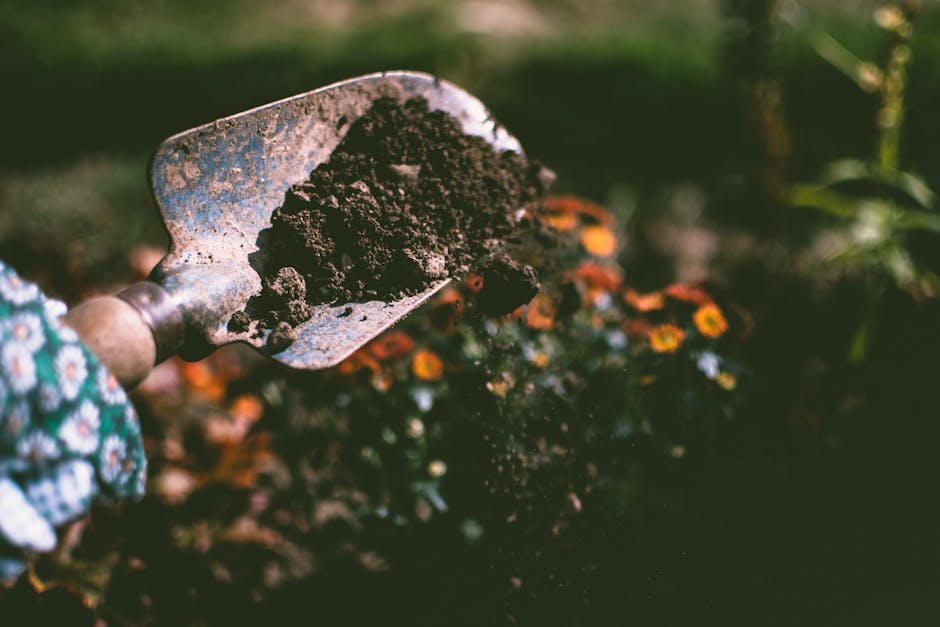
The Foundation for Lushness: Understanding Your Soil
Before a single granule of fertilizer touches your grass, the real work begins underground. The quality of your soil is the single most important factor determining the health and appearance of your lawn. Fertilizer can't fix poor soil; it can only supplement good soil.
Why Healthy Soil is the Secret to a Vibrant Lawn
Healthy soil is a living ecosystem teeming with beneficial microbes. It has a balanced structure that allows air, water, and nutrients to reach the grassroots. Good soil structure prevents compaction, retains appropriate moisture, and provides a stable anchor for a dense turf. When soil health is optimal, grass can efficiently absorb the nutrients provided by fertilizer, leading to stronger growth, better color, and increased resilience against drought, disease, and pests. Investing in your soil is investing in the long-term vitality of your lawn.
Beyond the Soil: Crucial Factors for Overall Lawn Health
While soil is the foundation, it works in synergy with other core maintenance practices. The best fertilizer in the world will underperform if your mowing and watering habits are incorrect. Mowing too short stresses the grass, while infrequent, deep watering encourages strong root development. These practices, combined with proper fertilization, create a holistic system that supports a truly lush, green yard.
Demystifying Lawn Fertilizers: NPK and Beyond
Understanding what's inside the fertilizer bag is the first step toward making an intelligent purchase. The three prominent numbers on every bag represent the N-P-K ratio, the cornerstone of lawn nutrition.
Understanding the N-P-K Ratio: What Each Number Means
The N-P-K ratio indicates the percentage of three essential macronutrients by weight in the fertilizer bag:
- N (Nitrogen): This is the engine of lawn growth. Nitrogen is directly responsible for vigorous shoot development and the production of chlorophyll, which gives grass its deep green color. High-Nitrogen Fertilizers are often used for a quick green-up.
- P (Phosphorus): Phosphorus is crucial for establishing new grass, promoting strong root development, and aiding in energy transfer within the plant. Due to environmental concerns about water contamination, many modern lawn fertilizers have low or zero phosphorus. A soil test is the only way to know if your lawn truly needs it.
- K (Potassium): Think of potassium as the lawn's immune system booster. It helps regulate water use, strengthens cell walls, and improves the turf's tolerance to stress from drought, heat, cold, and disease.
Release Types: Fast-Release vs. Slow-Release Fertilizers
Fertilizers deliver nutrients in different ways. Fast-release formulas provide an immediate nutrient boost for rapid greening but can risk burning the lawn if over-applied and have a shorter effective period. A slow release nitrogen fertilizer is generally preferred by experts. These products use coated granules or organic forms of nitrogen that break down over time, feeding the lawn consistently for 6-8 weeks or more. This promotes more even growth and reduces the risk of nutrient runoff.
Granular vs. Liquid Fertilizers: Application Methods and Benefits
The two primary forms of lawn fertilizer are granular and liquid.
- Granular fertilizer consists of dry pellets that are applied using a spreader. This is the most common type for homeowners, valued for the long-lasting, slow-release options available. They provide steady, predictable feeding.
- Liquid fertilizers are mixed with water and sprayed onto the lawn. They offer rapid nutrient absorption through both the leaves and roots, making them excellent for a quick fix or correcting a specific deficiency. However, their effects are typically more short-lived than granular options.
Our Expert Selection Criteria: How We Chose the Best
Our recommendations are not arbitrary. Each fertilizer on this list was selected based on a clear set of performance-driven criteria designed to deliver exceptional results.
Factors for a Truly Lush, Green Lawn
We prioritized products with proven nutrient packages, particularly those featuring slow-release nitrogen for sustained feeding and lawn safety. We also valued products that contribute to overall soil health, not just temporary greening. Our selections cover a range of needs, from rapid green-up and organic soil building to seasonal preparation and targeted weed control.
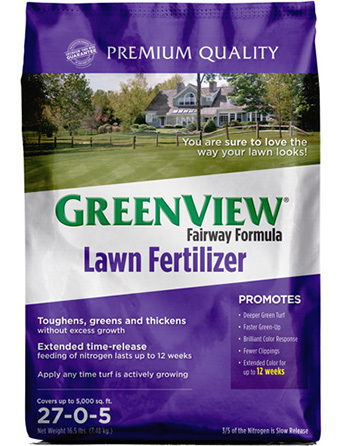
GreenView Fairway Formula Lawn Fertilizers: The All-Around Performer for Consistent Lushness
With a balanced NPK ratio like 24-0-6, this granular fertilizer is a workhorse for established lawns. Its strength lies in its 62% slow-release nitrogen content, which ensures consistent, no-surge growth for up to 12 weeks. It greens the lawn quickly without promoting excessive mowing. It’s an expert pick for its reliability and its ability to provide steady, predictable nutrition throughout the main growing season.
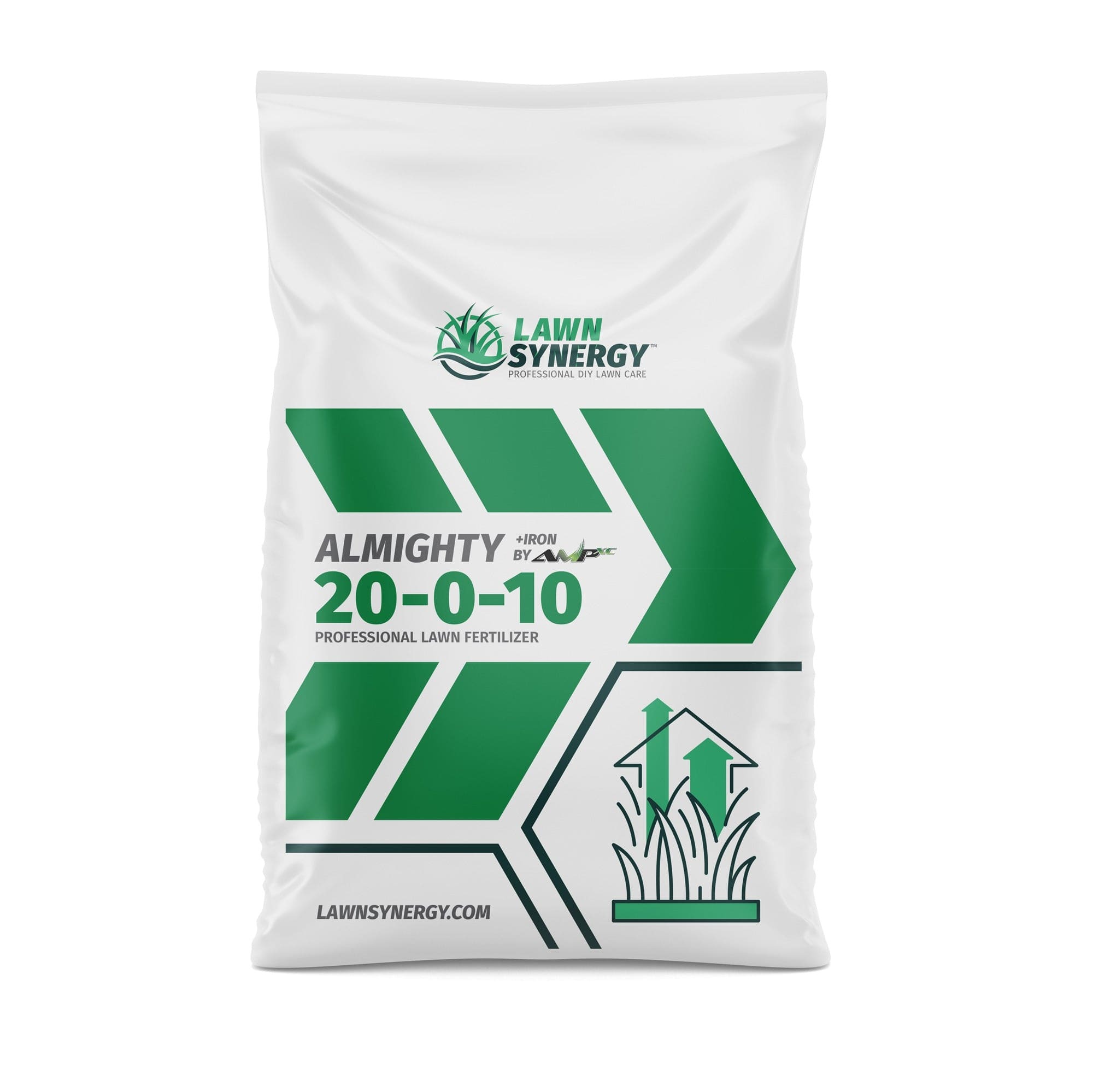
Almighty 20-0-10 Lawn Fertilizer: The High-Nitrogen Powerhouse for Rapid Greening
When your lawn needs a serious color boost, a high-nitrogen fertilizer like this is the answer. The 20% nitrogen content delivers a fast and dramatic greening effect, ideal for spring application to wake up a dormant lawn. The inclusion of 10% potassium helps balance the rapid top growth by supporting overall plant resilience. Experts choose this for situations demanding quick visual improvement, but caution that it should be used as part of a balanced annual program.
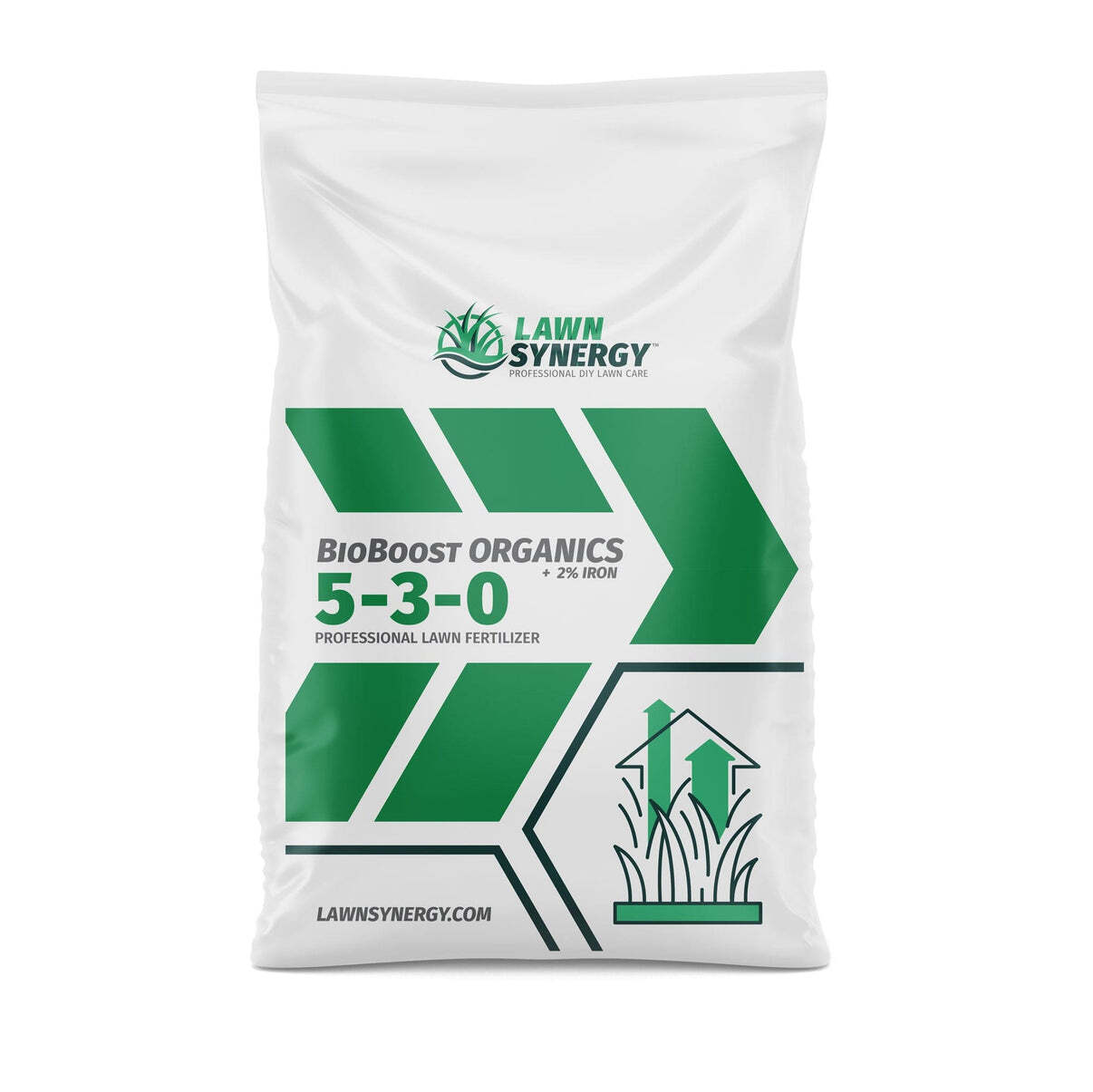
BioBoost 5-3-0 Organics Lawn Fertilizer with 2% Iron: The Organic Choice for Soil Health & Deep Green
For those prioritizing long-term soil vitality, BioBoost is a top-tier organic lawn fertilizer. Its lower NPK numbers reflect its focus on feeding the soil's microbial life, which in turn feeds the grass. Made from natural ingredients, this organic fertilizer improves soil structure and water retention over time. The added iron provides a deep, rich green without forcing excessive growth. It’s our expert pick for building a sustainable, healthy lawn from the ground up.
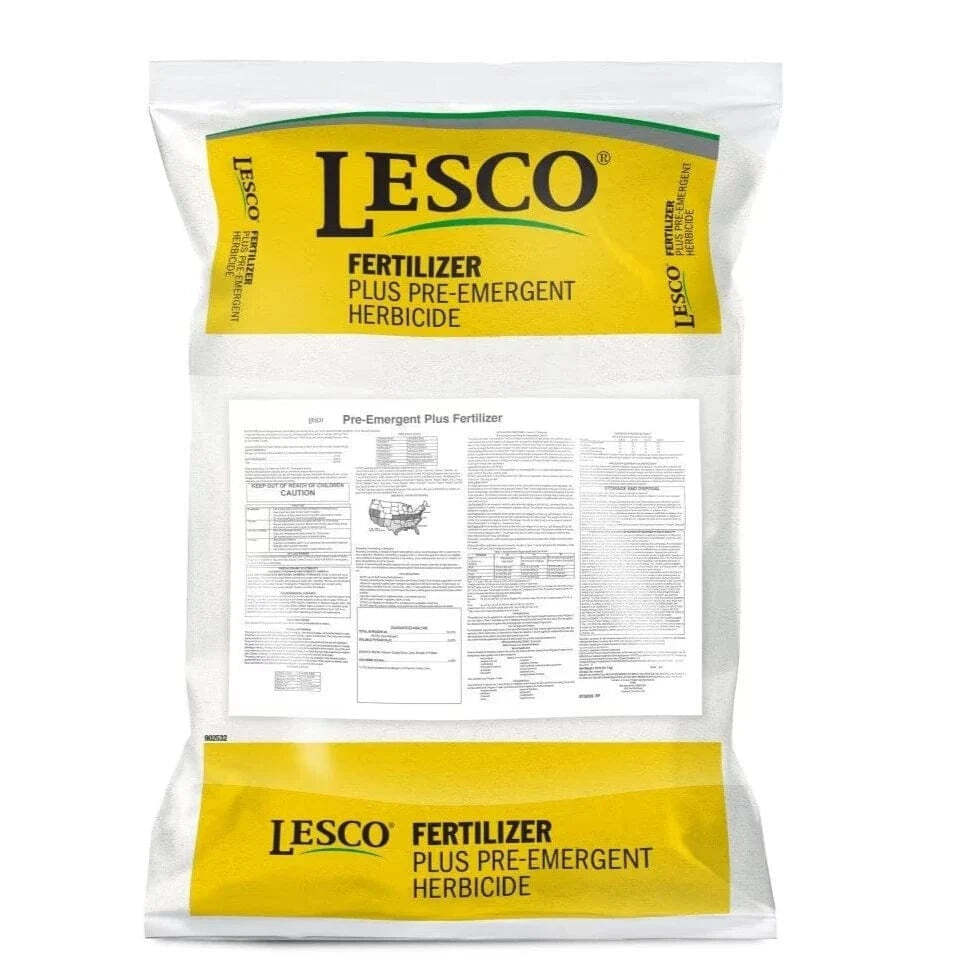
Pre-Emergent + Fertilizer Combination: Dual Action for Weed-Free Lushness
Products that combine a balanced fertilizer with a pre-emergent herbicide offer a powerful one-two punch in the spring. A typical formula might be 19-0-7 with dithiopyr or prodiamine. This type of "weed & feed" fertilizes the existing turf while creating a barrier that stops weed seeds, like crabgrass, from germinating. Experts recommend this for homeowners who struggle with annual grassy weeds, as it streamlines spring lawn care and ensures nutrients go to the turf, not to the weeds. A quality crabgrass preventer is essential for early-season weed control.
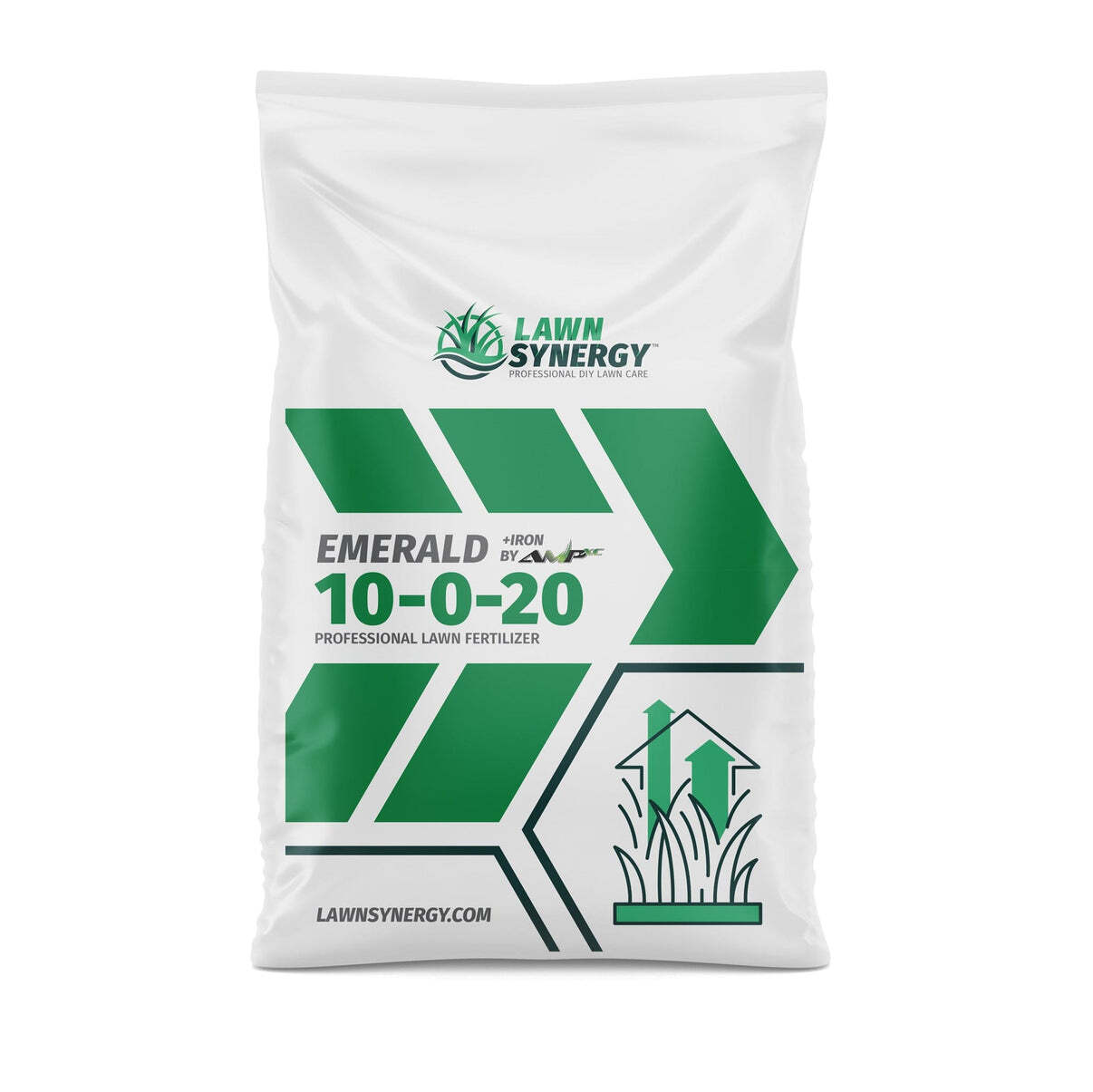
Emerald 10-0-20 Lawn Fertilizer (or Similar Fall Formula): The Fall & Winterizer for Root Strength & Resilience
A proper Fall Lawn Fertilizer is critical for year-round health. A formula with low nitrogen and high potassium, like 10-0-20, is ideal. The nitrogen provides a final nutrient boost before dormancy, while the high potassium level focuses the plant's energy on root development and storing carbohydrates for winter. This promotes early spring green-up and enhances cold tolerance. It's an expert pick because it prepares the lawn to survive winter stress and emerge stronger the following year.
Bay State Fertilizer: A Premium Organic for Long-Term Soil & Grass Vitality
This regional favorite is a biosolid-based organic fertilizer renowned for its ability to improve soil health. With an NPK of around 4-3-0, it is a gentle, non-burning fertilizer that releases nutrients slowly as soil microbes break it down. It is packed with micronutrients and organic matter that enhance soil structure and fertility. Experts value it as a superior choice for long-term lawn care, creating a robust soil ecosystem that supports a naturally resilient turf.
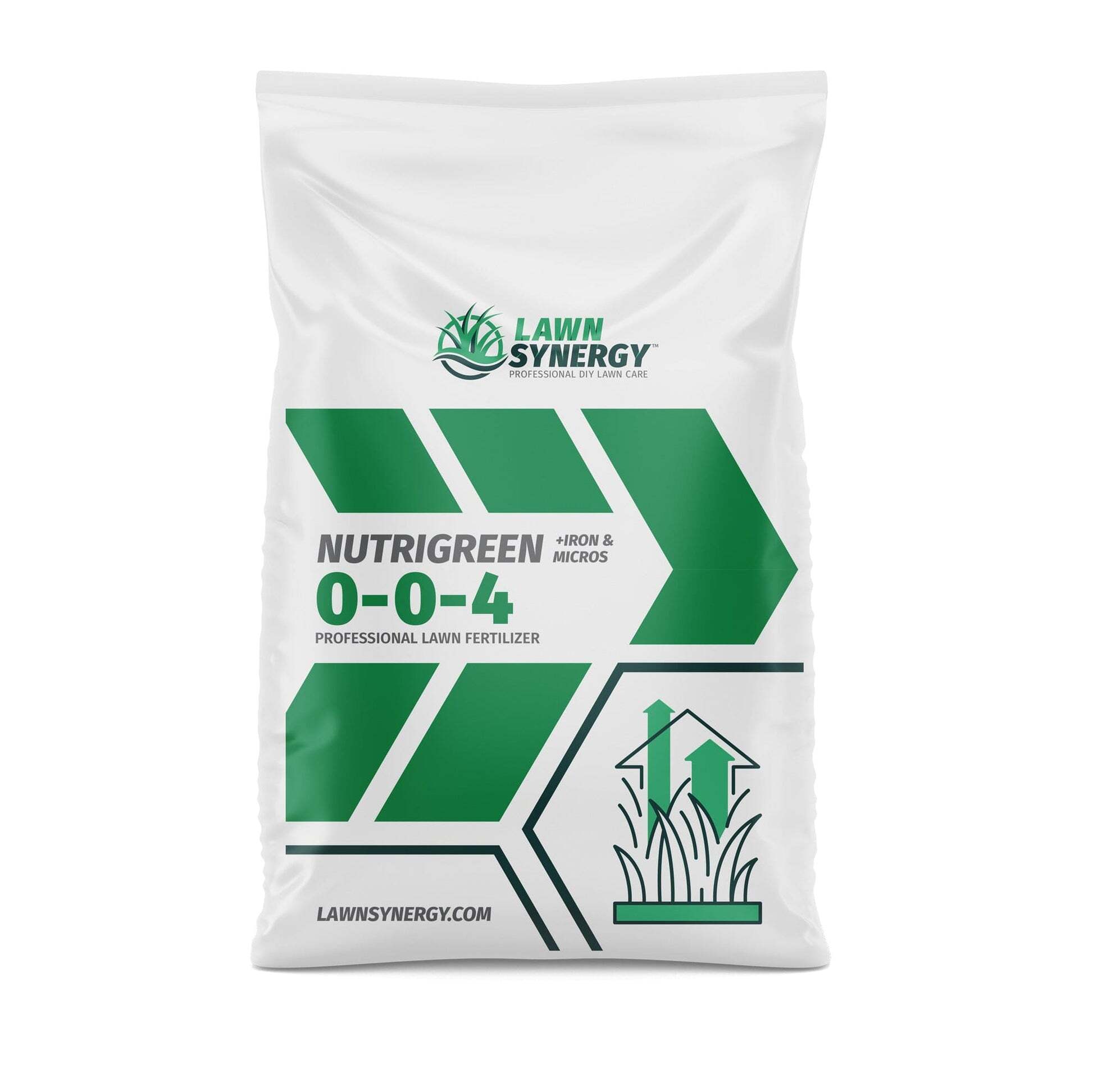
NutriGreen 0-0-4 Fertilizer (or targeted Micronutrient Boost): For Specific Nutrient Deficiencies and Enhanced Color
Sometimes a lawn's needs are more specific. After a soil test reveals a particular deficiency, a targeted product is the best solution. A fertilizer like this with 4% potassium and added iron or manganese can correct yellowing and improve stress tolerance without adding unnecessary nitrogen. Experts use these specialized products as soil amendments to fine-tune a lawn's nutritional program, addressing the precise needs indicated by soil test results for optimal health and color.
Mastering Application: Fertilizing Like a Professional
Choosing the right product is only half the battle. Proper application ensures every part of your lawn receives the correct amount of nutrients for uniform growth and color.
Reading the Fertilizer Bag: Understanding Labels and Instructions
The fertilizer bag contains all the information you need. Look for the N-P-K ratio (the fertilizer analysis), the guaranteed analysis of other nutrients, and, most importantly, the spreader settings. The manufacturer provides recommended settings for various brands of fertilizer spreaders to ensure you apply the product at the correct rate per 1,000 square feet. Always read and follow these instructions carefully.
Choosing the Right Fertilizer Spreader: Rotary vs. Drop Spreaders
There are two main types of fertilizer spreaders:
- Rotary (Broadcast) Spreaders: These fling granules in a wide arc, covering large areas quickly and efficiently. They are the best choice for most lawns, but require careful overlap on each pass to avoid striping.
- Drop Spreaders: These drop the granules directly beneath the spreader. They are more precise, making them ideal for smaller lawns or for navigating around garden beds and sidewalks without broadcasting fertilizer where it isn't wanted.
Proper Application Techniques for Even Coverage
For best results, apply fertilizer to a dry lawn. First, apply a "header strip" around the perimeter of your lawn. Then, move back and forth across the lawn in straight, slightly overlapping lines, like mowing. Shut the spreader off when you stop or turn to prevent over-application in one spot. After application, lightly water the fertilizer into the soil to activate it and move the nutrients to the root zone.
Beyond Fertilizer: Sustaining Your Lush, Green Yard Year-Round
Fertilizer is a powerful tool, but it's part of a larger ecosystem of care. Integrating other best practices will protect your investment and maintain a healthy lawn all year.
Mowing Right: Height and Frequency for Optimal Health
Mow high, typically at 3 to 4 inches for most cool-season grasses. Taller grass develops deeper roots, shades out weeds, and is more drought-tolerant. Never remove more than one-third of the grass blade at a time, which may require more frequent mowing during peak growth seasons.
Smart Watering Practices: Deep and Infrequent
Water your lawn deeply but infrequently to encourage roots to grow down in search of moisture. A weekly soaking that provides about one inch of water is far better than several light, shallow waterings. The best time to water is early in the morning to minimize evaporation and prevent fungal disease.
Aeration and Dethatching: Improving Soil Compaction and Nutrient Uptake
Over time, soil can become compacted, restricting the flow of air, water, and nutrients to the roots. Core aeration pulls plugs of soil out of the lawn to alleviate soil compaction. Dethatching removes the thick layer of dead plant material that can build up at the soil surface and block nutrients. Performing these tasks as needed ensures your fertilizer can reach the root zone where it's needed most.
Integrated Pest and Weed Control: Protecting Your Investment
A thick, healthy lawn is the best defense against pests and weeds. Proper fertilization promotes dense turf that naturally crowds out invaders like crabgrass. When problems arise, use targeted weed control products or integrated pest management strategies rather than blanketing the lawn with chemicals. A proactive approach, including timely application of weed stoppers or a crabgrass preventer, keeps your lawn pristine.
🌿 Ready for a Lawn That Stays Green All Season?
Great fertilizer is only part of the equation: expert application makes all the difference. Simply Lawn connects you with verified, insured lawn care pros who know how to feed your soil, strengthen your grass, and keep your yard vibrant year-round.
[widget=Blog The 7 Best Lawn Fertilizers for a Lush Green Yard]