
Introduction: The Cornerstone of Your Mobile Operation
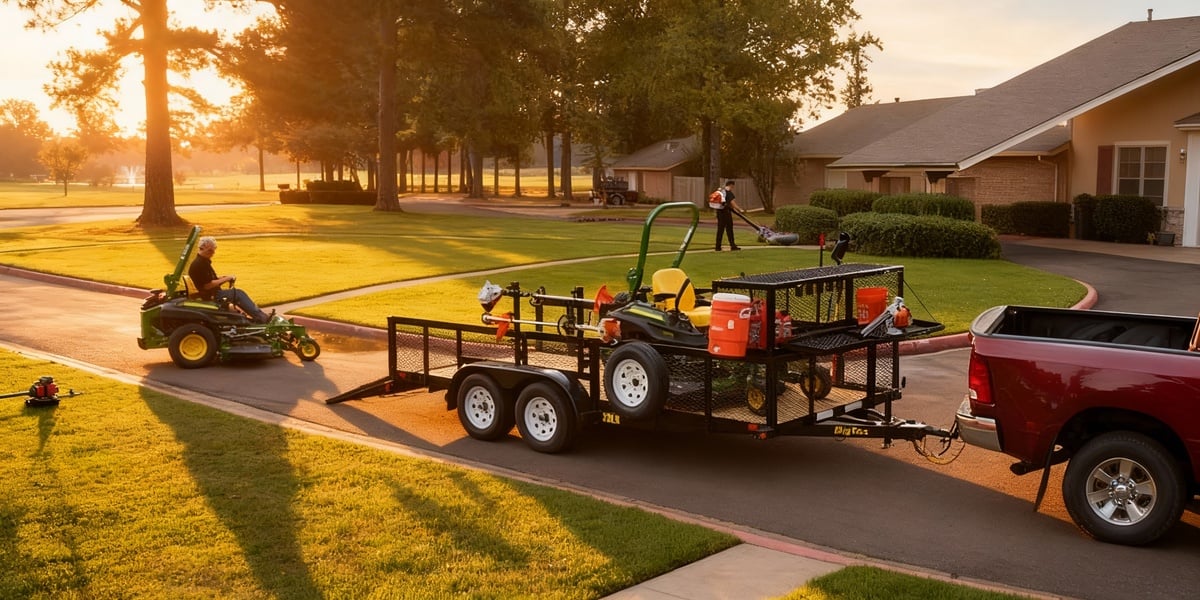
For any professional in the lawn care business, efficiency is the currency of success. Every minute saved loading equipment, searching for a tool, or making an extra trip is a minute that can be spent on a billable job. This is why your trailer isn't just a method of transportation; it is the mobile command center of your entire operation. A well-chosen and properly organized trailer setup is a strategic asset that directly impacts your daily productivity, professional image, and ultimately, your bottom line.
Why Your Trailer Setup Matters for Business Success
The right lawn mower trailer streamlines every aspect of your fieldwork. It protects your significant investment in mowers and other equipment from weather and theft, reduces the risk of damage during hauling, and presents a polished, professional image to clients. Conversely, a poorly planned setup leads to wasted time, damaged tools, and a chaotic appearance that can undermine customer confidence. In an industry where 69% of businesses are optimistic about the future, having the right operational foundation is critical to capturing that growth.
What This Guide Will Cover
This definitive guide will walk you through every critical decision point in selecting and outfitting the perfect trailer for your lawn care business. We will move from high-level strategic planning and budgeting to the specific details of trailer types, capacity ratings, and organization. By the end, you will have a clear roadmap to choosing a setup that not only meets your current needs but also supports your future growth.
Section 1: Strategic Business Assessment: Before You Buy
Before you ever look at a single trailer, the most important work happens with a pen and paper. A thorough assessment of your business is the foundation for making a smart, long-term investment.
Evaluating Your Current Business Needs and Equipment Inventory
Start by creating a comprehensive inventory of every piece of equipment you need for transportation. List your lawn mowers (zero-turn, walk-behind, push), trimmers, edgers, blowers, and any heavy equipment. Note their dimensions and, crucially, their weight. Include miscellaneous items like gas cans, hand tools, and bags for dirt or debris. This detailed list is the data you need to determine the required trailer size and payload capacity.
Planning for Future Growth and Scalability
Your trailer should serve your business not just today, but in two or three years. Are you planning to add a second crew? Do you intend to expand into services like hardscaping or irrigation that require different tools? The global market for lawn and garden equipment is projected to grow from $43.3 billion in 2025 to $77.7 billion by 2034, indicating a strong demand for professional services. Choose a trailer that offers a bit more space and weight capacity than you currently need to avoid having to upgrade prematurely.
Understanding Your Operating Environment and Client Base
Consider the geography of your service area. Do you navigate tight residential streets, or do you primarily service large commercial properties with ample space? A smaller, more maneuverable single-axle trailer might be ideal for dense suburban neighborhoods, while a larger tandem-axle setup is better suited for hauling heavy equipment over long distances. The type of clients you serve dictates the equipment you carry, which in turn dictates your trailer needs.
Budgeting for Your Investment: Beyond the Purchase Price
Your budget must account for more than the trailer's sticker price. Factor in the costs of taxes, title, and registration. More importantly, allocate funds for essential customizations like tool racks, shelving, and security features. Also consider ongoing expenses such as insurance, maintenance (tires, bearings, brakes), and potential storage fees if it won't fit in your garage.
Section 2: Decoding Trailer Types for Lawn Care Professionals
With your business assessment complete, you can now explore the different types of trailers available, each with distinct advantages for landscapers.
Open Utility Trailers: The Versatile Workhorse
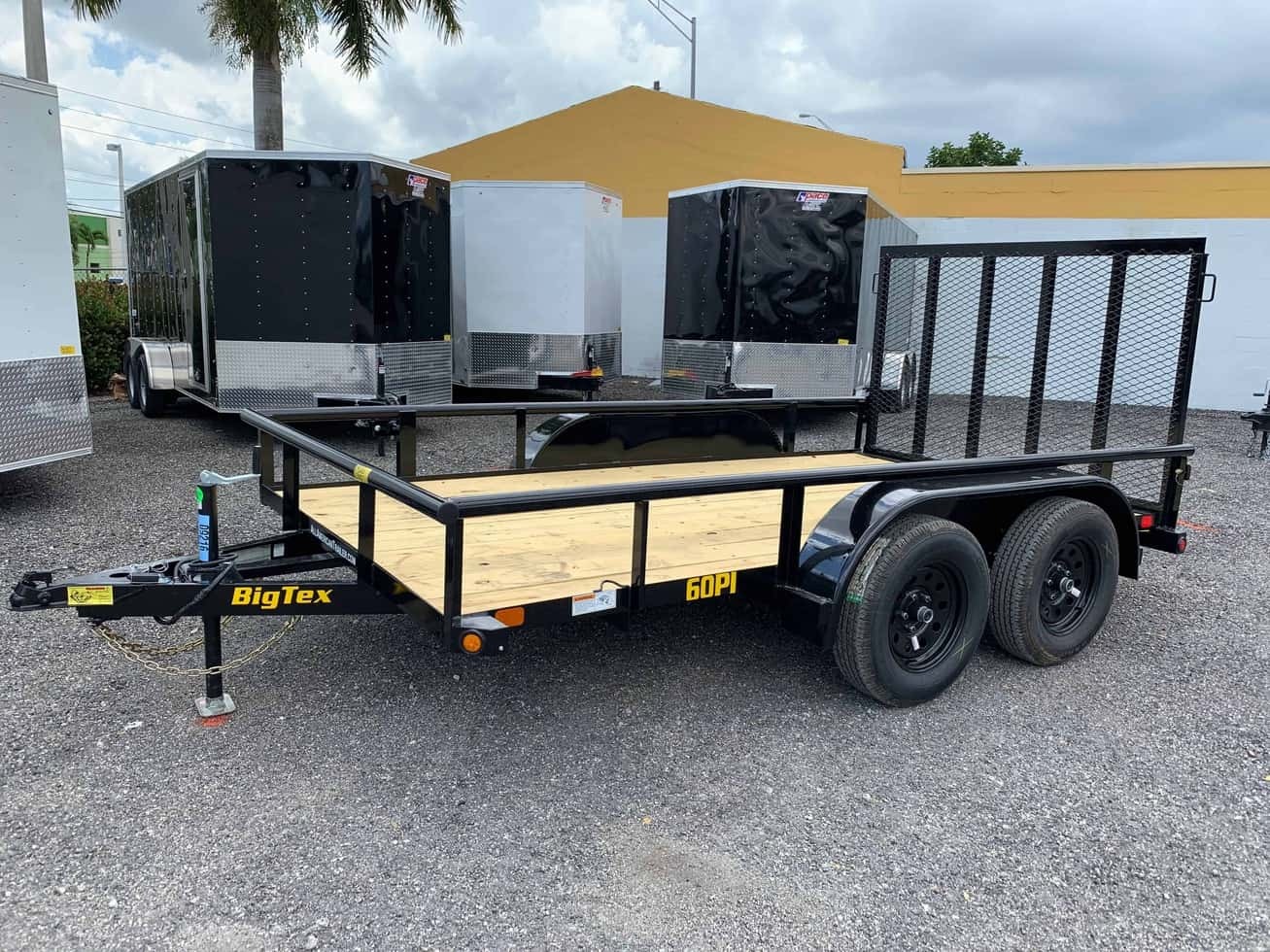
Open trailers are the most common choice for many lawn care businesses, and for good reason. They are lightweight, affordable, and offer unparalleled ease of access for loading and unloading mowers. Their design allows for quick visual checks of your equipment and easy cleaning. However, their primary drawback is the lack of security and protection from the elements, leaving your valuable equipment exposed.
Enclosed Trailers: Security, Branding, and Protection
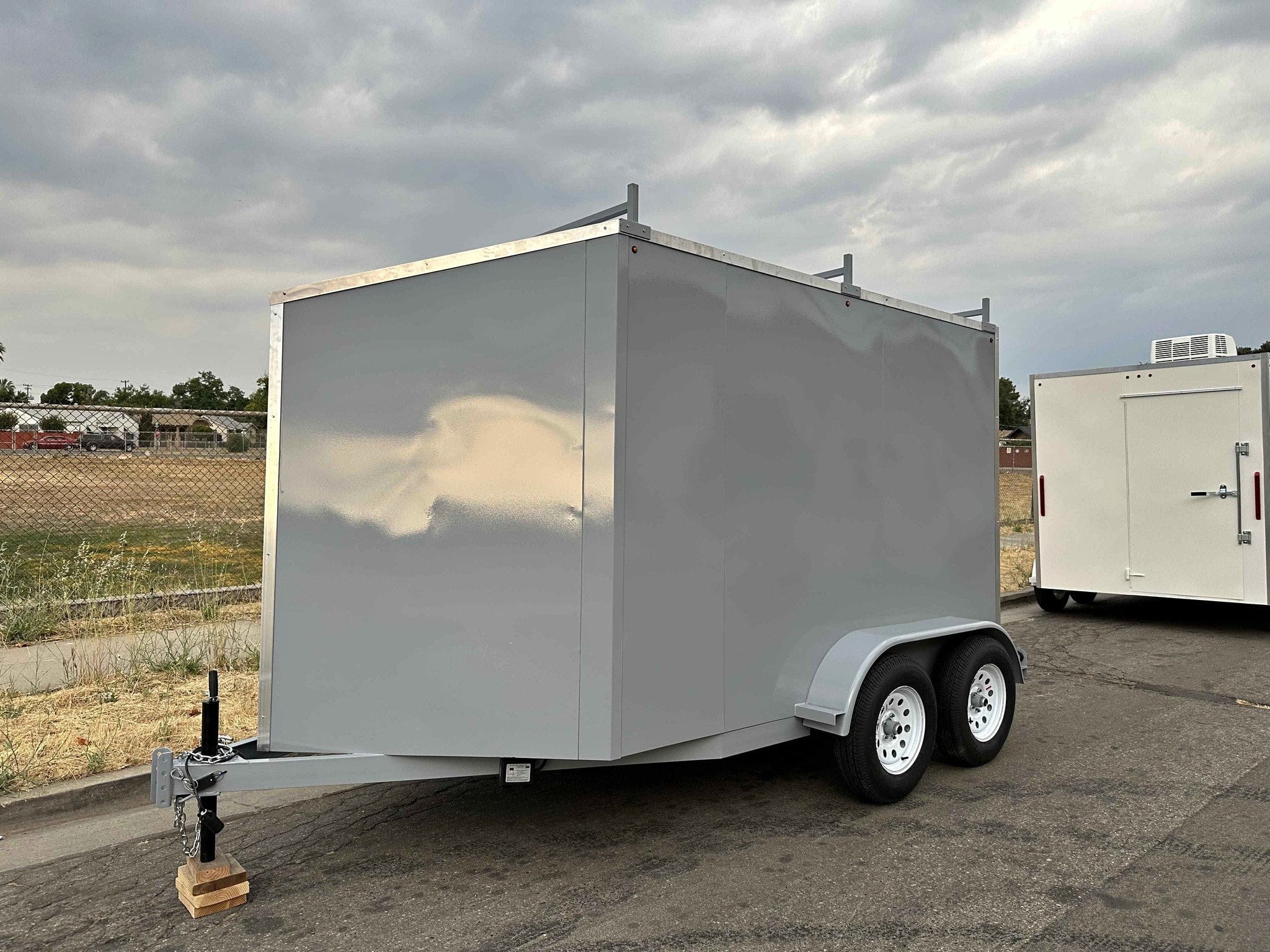
An enclosed trailer functions as a mobile garage. It provides superior security against theft and protects your equipment from rain, sun, and road debris, extending its lifespan. This protection is vital for sensitive tools and electronics. An enclosed trailer also offers a large, flat surface perfect for branding with your company logo and contact information, turning your rig into a mobile billboard. The trade-offs are a higher initial cost, increased weight, and potentially reduced visibility while towing.
Dump Trailers: Maximizing Efficiency for Material Handling
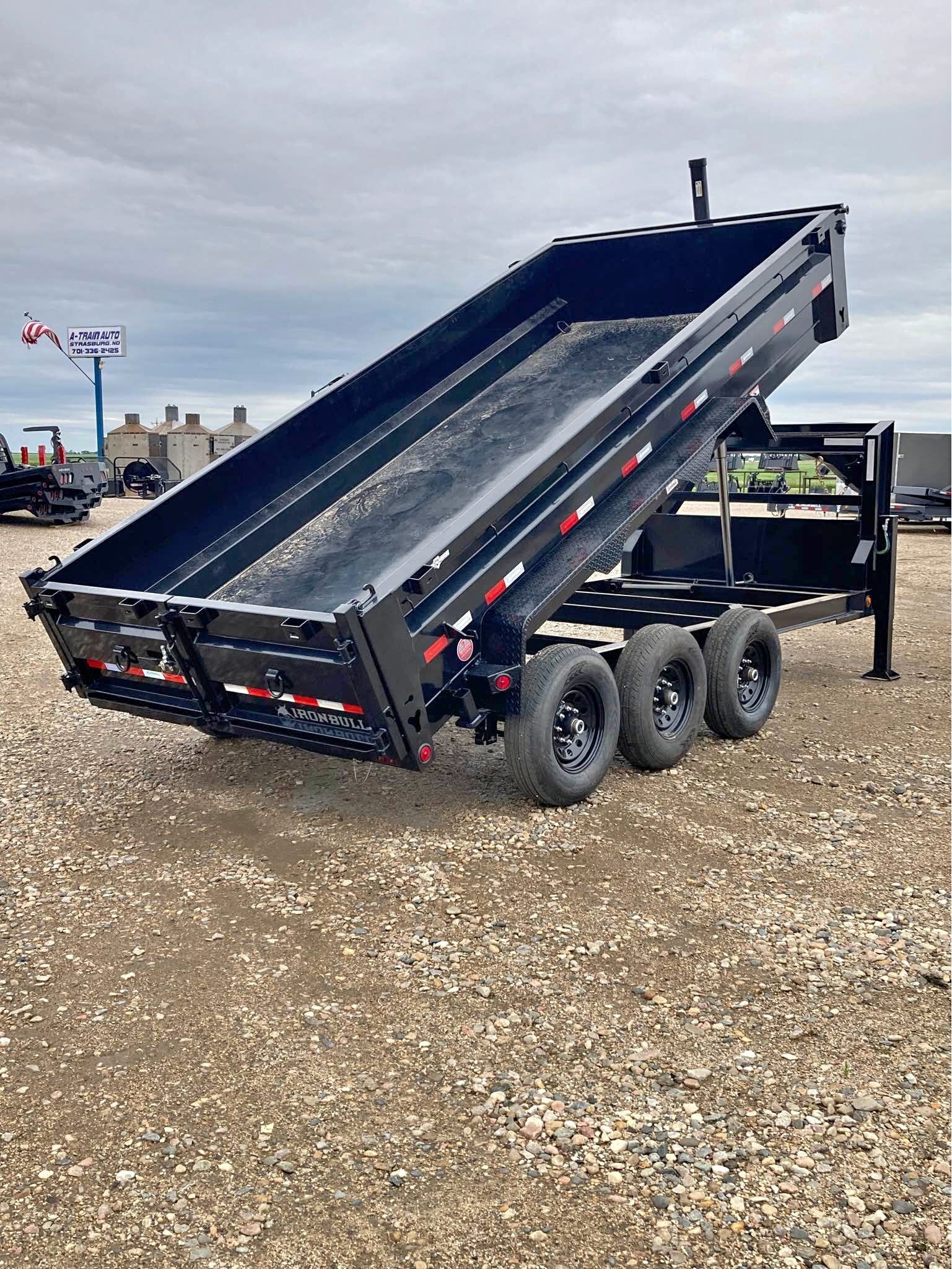
For landscapers who frequently engage in projects involving hauling materials like mulch, soil, gravel, or construction debris, a dump trailer is an efficiency multiplier. Hydraulic systems lift the bed to empty contents effortlessly, saving immense time and manual labor compared to shoveling out a standard utility trailer. While not a primary equipment hauler for most, it’s an invaluable asset for businesses that offer comprehensive landscaping services.
Specialty Trailers: When Your Business Demands More
Beyond the standard options, several specialty trailers cater to specific needs. Tilt trailers simplify loading heavy equipment without the need for steep ramps. Deckover trailers, with a deck positioned above the wheels, provide a wider, completely flat loading surface. For the largest jobs, a gooseneck trailer offers superior stability and weight distribution for hauling the heaviest equipment, but requires one of your trucks to be fitted with a special hitch.
Section 3: Mastering Capacity and Safety: GVWR, Load Limits, and Towing Synergy
Understanding weight ratings isn't just about compliance; it's about the safety of you, your crew, and the public.
Understanding Gross Vehicle Weight Rating (GVWR) and Load Capacity
Every trailer has a Gross Vehicle Weight Rating (GVWR) placard. This is the absolute maximum weight the trailer can safely be, including the trailer's own weight (curb weight) plus everything you load onto it (payload). To find your true payload capacity, subtract the trailer's curb weight from its GVWR. Meticulously add up the weight of your mowers, equipment, gas cans, and tools to ensure you never exceed this limit. Overloading is illegal and dangerously strains the axles, tires, and frame.
Matching Your Trailer to Your Towing Vehicle
Your trailer and tow vehicle are a team; they must be compatible. Every truck has a maximum towing capacity specified by the manufacturer. This number must be higher than the GVWR of your trailer. Hooking a 10,000-pound GVWR trailer to a half-ton truck rated for 7,000 pounds is a recipe for disaster. It compromises braking, handling, and stability, creating a significant safety hazard. Always ensure your trucks are properly rated for the hauling you plan to do.
Essential Safety Considerations for Hauling
Proper hauling safety goes beyond weight limits. Always ensure the trailer is correctly hitched and that safety chains are crossed and secured. Test your trailer's lights (brake, running, and turn signals) before every trip. Distribute the weight of your equipment evenly, with approximately 60% of the load in front of the trailer axle, to prevent dangerous trailer sway. Finally, secure every piece of equipment with appropriately rated straps or chains.
Section 4: The Art of Organization: Your Trailer as a Mobile Command Center
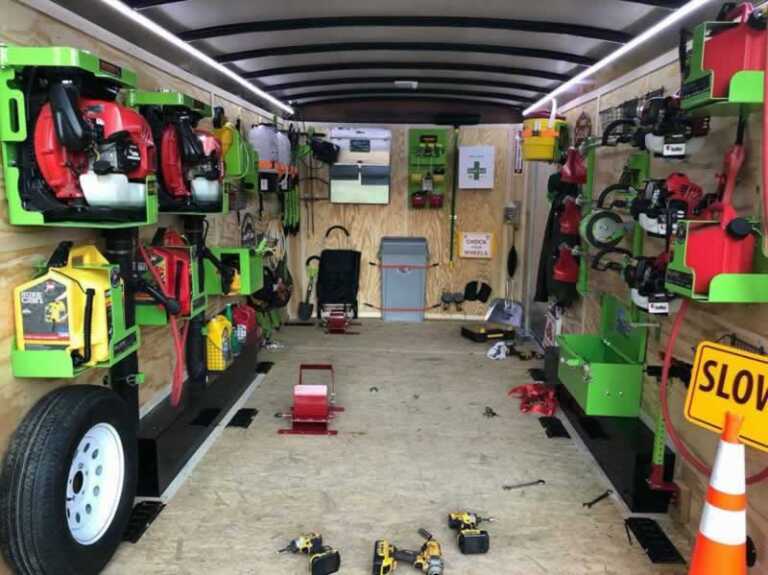
An organized trailer is an efficient trailer. A systematic layout saves time, prevents damage, and reduces on-the-job frustration.
Strategic Layout for Workflow Efficiency
Design your trailer's interior around your daily workflow. Place the equipment you use first (like your primary mower) at the rear for easy access. Frequently used hand tools should be near the side or rear door. Items used less often can be stored further inside. This "first on, last off" logic minimizes the time spent shuffling equipment to get to what you need.
Smart Storage Solutions and Accessories
Leverage specialized accessories to maximize your storage. Commercial-grade rack systems like those from Rack'Em are designed to securely hold trimmers, blowers, and coolers vertically, freeing up valuable floor space. A small work bench can be invaluable for on-site repairs. Shelving is perfect for organizing smaller items like oils, spare parts, and safety gear.
Maximizing Every Square Foot
Think vertically, especially in an enclosed trailer. Use wall-mounted hooks and racks to get items off the floor. Look for size-efficient options that provide the storage you need with a lower profile. The goal is to create a clear, unobstructed path from the door to every piece of equipment, ensuring safe and swift access.
Maintaining Order: The "Keep It Clean" Philosophy
Organization is an ongoing commitment. At the end of each day, take five minutes to return tools to their designated places, sweep out dirt and grass clippings, and restock consumables. This simple habit prevents clutter from accumulating, ensures you start every day prepared, and extends the life of your trailer and equipment.
Section 5: Customization for Peak Performance and Professionalism
A stock trailer gets the job done, but strategic customizations elevate your operation's efficiency and brand image.
Branding Your Mobile Billboard: Maximizing Exposure
An enclosed trailer is one of your most powerful marketing tools. A professional vinyl wrap featuring your company name, logo, services, and contact number transforms your trailer into a 24/7 advertisement. It builds brand recognition and conveys a level of professionalism that attracts higher-value clients.
Tailoring for Specific Lawn Care Niches
Customize your trailer for the services you specialize in. If you focus on hardscape projects, you may need reinforced flooring and heavy-duty tie-downs for pavers and compactors. A business specializing in irrigation might install custom bins and shelving for pipes, fittings, and controllers. Your setup should be a direct reflection of your business's core functions.
Enhancing Functionality with Lighting and Electrical Systems
Good lighting is a game-changer, especially during the shorter days of spring and fall. Installing interior LED lights in an enclosed trailer allows you to find equipment quickly in low-light conditions. Exterior work lights can illuminate a job site for early morning starts or late finishes. An electrical system can also power battery chargers, ensuring your tools are always ready to go.
Reinforcements and Durability Upgrades
The daily grind of a lawn care business is tough on equipment. Consider upgrades that enhance durability. A thicker plywood or coated floor can withstand the wear and tear of heavy mowers. Upgrading to radial tires from standard bias-ply tires can improve handling and longevity. Reinforcing the ramp or adding spring-assist can make loading and unloading heavy equipment safer and easier.
Section 6: Investing in Longevity: Maintenance, Warranty, and Resale Value
Your trailer is a significant investment. Protecting it through regular maintenance is essential for ensuring safety, reliability, and a long service life.
Routine Maintenance for Your Trailer and Equipment
Create and follow a simple maintenance schedule. Regularly check tire pressure, inspect for wear, and torque the lug nuts. Periodically pack the wheel bearings with grease to prevent failure. Test all lights before each trip and inspect the frame and suspension for any signs of cracks or damage. Keeping your equipment clean and properly secured will also reduce wear on the trailer's interior. A well-maintained trailer is a safe trailer and will hold its value far better over time.
Conclusion
Choosing the right trailer is a foundational decision for any serious lawn care business. It is far more than a simple purchase; it's a strategic investment in operational efficiency, equipment security, and professional branding. By beginning with a thorough assessment of your business needs, understanding the crucial differences between trailer types, and mastering the principles of weight management and safety, you can select a setup that acts as a true force multiplier for your operation.
Your next steps should be clear:
- Inventory Your Equipment: Create a detailed list with weights and dimensions.
- Define Your Budget: Account for the trailer, taxes, and essential customizations.
- Assess Your Tow Vehicle: Confirm its towing capacity is sufficient for your needs.
- Choose a Type: Decide whether an open, enclosed, or specialty trailer best fits your business model.
By following this guide, you can confidently choose a lawn mower trailer that will not only carry your equipment but will also help carry your business toward greater profitability and success.