

A lush, green lawn is the pride of any homeowner. Achieving this requires dedication and knowledge. Lawn care is more than just mowing. It involves understanding grass types, soil health, and proper maintenance.
Effective weed control is crucial. Weeds compete with grass for nutrients and water. Regular lawn maintenance helps prevent this.
Watering techniques play a significant role. Deep, infrequent watering encourages strong root growth. This is essential for a resilient lawn.
Fertilization and aeration are key components. They ensure your lawn receives the nutrients it needs.
By following these essential tips, you can transform your lawn into a vibrant, healthy landscape.

Understanding Your Lawn: Grass Types and Soil Health
The secret to effective lawn care starts with understanding your lawn's unique characteristics. Knowing the types of grass and the state of your soil can guide your practices. Different grass types have different needs. Soil health affects how well your lawn can absorb nutrients and water.
Grass can be cool-season or warm-season. This distinction determines the optimal growth period. It influences your mowing, watering, and fertilization schedules.
Healthy soil has the right balance of nutrients. Regular testing can reveal any deficiencies or pH issues. Addressing these can lead to significant improvements.
A holistic view of grass and soil is foundational for lawn success. Consider these aspects when developing your maintenance plan.
Identifying Your Grass Type
Identifying your grass type is the first step in tailored lawn care. Different grasses thrive in varying conditions. Knowing your type helps you optimize care routines.
Common grass types include:
- Bermudagrass
- Kentucky Bluegrass
- Fescue
- Zoysia
Each grass variety demands specific care practices. Warm-season grasses like Bermudagrass prefer heat. Cool-season species like Fescue thrive in cooler temperatures. Tailor care techniques to meet these needs for a robust lawn.

Testing and Improving Soil Health
Soil health plays a crucial role in lawn maintenance. It impacts how grass roots absorb nutrients and water. Testing your soil helps identify deficiencies or imbalances. This informs fertilization and other corrective measures.
To improve soil health, consider these steps:
- Conduct a soil test to determine pH and nutrient levels.
- Amend soil based on test results, using lime or sulfur for pH adjustments.
- Incorporate organic matter, like compost, to enhance nutrient availability.
Regular aeration improves oxygen flow to roots. This fosters a healthy soil environment. Good soil health translates to a vibrant, resilient lawn.

Mowing for Success: Best Practices and Tips
Mowing is an essential part of lawn maintenance. Regular mowing keeps the grass healthy and stimulates growth. It also ensures a neat appearance. However, improper mowing can harm the lawn.
One key rule is to never cut more than one-third of the grass height at a time. This practice prevents stress on the grass. Mowing too short weakens the plant and exposes it to pests and diseases.
Keep your mower blades sharp. Dull blades tear grass, leading to jagged edges and increased water loss. Sharp cuts promote healing and a lush look.
Adjust your mowing schedule based on grass growth. In the growing season, mow more often to maintain the ideal height. Allow grass to grow longer during dry spells to preserve moisture.
Consider these mowing tips for best results:
- Mow during the cooler parts of the day.
- Avoid mowing wet grass to prevent clumping.
- Vary your mowing pattern to prevent soil compaction.
Seasonal adjustments to your mowing routine can adapt your lawn to different weather conditions. A well-planned mowing strategy can significantly enhance lawn health and appearance.

Watering Wisely: Techniques for Deep Root Growth
Proper watering is key to healthy lawn care. It encourages deep root growth, making grass more drought-resistant and robust. However, many lawns suffer from over- or under-watering.
For optimal results, water deeply but infrequently. This method allows moisture to penetrate the soil, reaching deep roots. Aim for about one inch of water per week, including rainfall.
Early morning is the best time to water. Cooler temperatures reduce evaporation, ensuring water reaches the roots. Avoid watering in the evening, as it encourages fungal growth.
Consider using soaker hoses or drip irrigation systems. They apply water directly to the soil, minimizing evaporation and waste. This setup can save water and support environmental sustainability.
Here are techniques to ensure effective watering:
- Check soil moisture regularly with a probe.
- Adjust watering based on weather conditions.
- Use rain gauges to track rainfall amounts.
Monitoring your lawn's water needs can yield remarkable improvements. A well-watered lawn not only thrives but stays vibrant throughout the year.

For homeowners who want to make sense of fertilizer labels, our partners at Lawn College have a clear breakdown of understanding NPK ratios: the three numbers that tell you what each bag actually does for your grass.
Fertilization: Feeding Your Lawn the Right Way
Fertilization provides essential nutrients for a flourishing lawn. Apply the right types and amounts for optimal grass health. Timing also plays a crucial role in lawn maintenance.
A balanced fertilizer contains nitrogen, phosphorus, and potassium. Each component supports different aspects of lawn health. Select a formula based on your lawn's specific needs.
Applying fertilizer at least twice yearly is recommended. Perform fertilization in the spring to invigorate growth after winter dormancy. A fall application helps strengthen roots before cold weather sets in.
Before fertilizing, conduct a soil test. This step identifies nutrient deficiencies and aids in choosing the correct fertilizer. Tailored nutrient plans yield the best results.
- Conduct soil testing to determine pH and nutrient levels.
- Choose fertilizers according to your soil test results.
- Follow application instructions carefully to avoid over-fertilizing.
Implementing a fertilization schedule ensures consistency. Track your applications to prevent nutrient imbalances and environmental impact.
- Use a spreader for even distribution.
- Water your lawn after fertilizing to activate nutrients.
- Avoid fertilizing before heavy rain to prevent runoff.
Proper fertilization nourishes your lawn, fostering vigorous and lush growth. It's a vital component of successful lawn care.
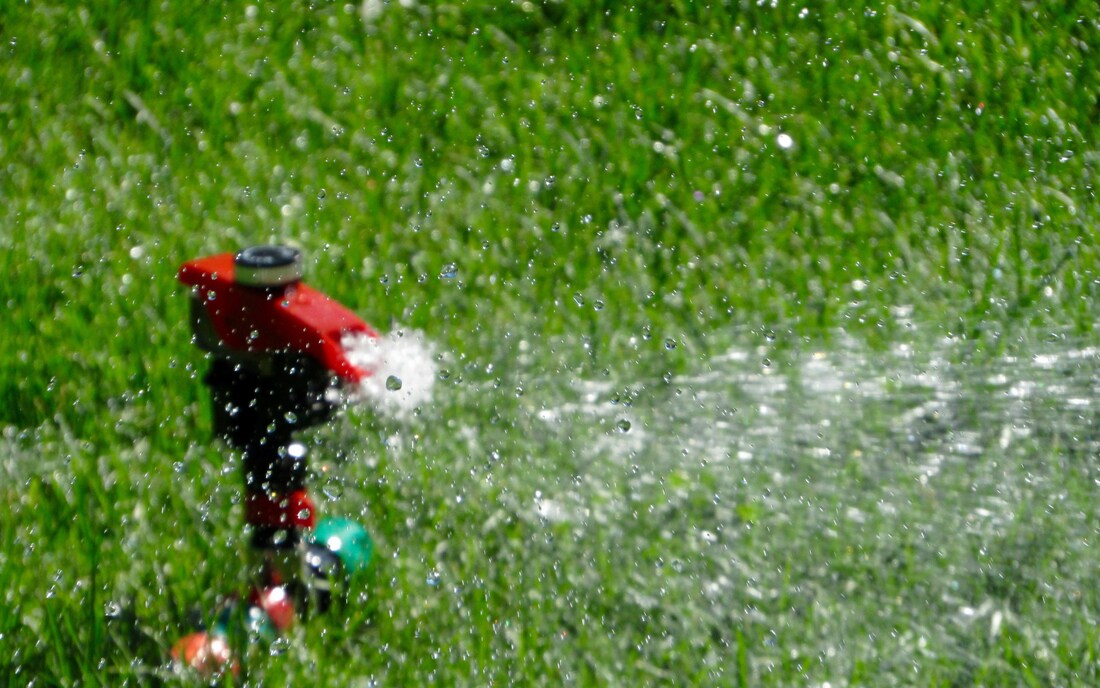
Weed Control: Prevention and Removal Strategies
Keeping weeds at bay requires a diligent approach. Prevention is the cornerstone of effective weed control. Begin with understanding different weed types common in your area.
Early spring is ideal for applying pre-emergent herbicides. These prevent weed seeds from germinating and taking root. Follow up with post-emergent herbicides for any stubborn growths.
Consistent monitoring helps catch weeds before they spread. Inspect your lawn regularly for new growth, especially in warm, wet conditions. Early detection minimizes labor-intensive eradication efforts.
- Identify common weeds like dandelions, clover, and crabgrass.
- Regularly mow and maintain a healthy lawn to crowd out weeds.
- Practice proper watering techniques, as overwatering can encourage weeds.
For eco-friendly control, explore manual removal methods. Hand-pulling weeds or using tools can be effective for small infestations. Persistence is key to keeping them under control.
- Use organic herbicides as a natural alternative.
- Consider mulching to suppress weed growth around plants.
- Maintain lawn density through overseeding to limit weed establishment.
Integrating these strategies solidifies your weed control approach. A weed-free lawn enhances both appearance and grass health, reducing competition for nutrients.

Aeration and Dethatching: Breathing Life Into Your Lawn
Aeration is a critical process that improves the health of your lawn. It involves perforating the soil with small holes to allow air, water, and nutrients to penetrate the grass roots. This helps the roots grow deeply and produces a strong, vigorous lawn.
Compacted soil can stifle root growth and water penetration. Aeration relieves this compaction, especially in high-traffic areas. When to aerate depends on your grass type; typically, it's best done during the growing season.
- Use a core or spike aerator for best results.
- Avoid aeration during extreme heat or drought conditions.
- Consider aerating once a year in early spring or fall.
Thatch is a layer of dead grass and roots that can accumulate at the soil level. While a little thatch is beneficial, too much can prevent water and nutrients from reaching roots. Dethatching when this layer exceeds half an inch is necessary to maintain lawn health.
Choose a dethatching tool that suits your lawn size, like a rake for small lawns or a power dethatcher for larger areas. This process, combined with aeration, revitalizes your lawn, enhancing both air circulation and nutrient absorption.

Overseeding and Repairing Bare Spots
Overseeding is a technique used to improve lawn density and fill bare patches. It involves spreading new grass seed over existing turf. This process rejuvenates your lawn without the need for complete replacement.
Timing is crucial when overseeding. Early fall or spring are the best seasons, depending on the grass type. These cooler months offer ideal growing conditions for new seeds. Moisture from autumn rains or spring showers aids in seed germination.
- Choose high-quality seed mixes suitable for your lawn.
- Mow the lawn slightly shorter before applying the seed.
- Water frequently but lightly to keep the soil moist.
Preparing bare spots involves lightly raking the soil to create a good seedbed. After seeding, press the soil down gently to ensure contact. Regular watering encourages quick establishment. Overseeding and repair strategies enhance lawn resilience, providing lushness and vibrancy.

Pest and Disease Management
A healthy lawn can still fall prey to pests and diseases. Early detection is key. Regular inspection helps identify issues before they escalate.
Common lawn pests include grubs, ants, and chinch bugs. Each pest requires specific management approaches. Use targeted insecticides sparingly to avoid harming beneficial insects.
Diseases like brown patch and dollar spot impact grass health. Prevent them by maintaining balanced soil and proper moisture levels. Fungicide treatments may be necessary for severe cases.
- Inspect regularly for unusual spots or pests.
- Practice proper lawn care to strengthen grass.
- Use chemical treatments as a last resort.
Proactive pest and disease management supports a vibrant, healthy lawn. Awareness and timely action reduce the need for harsh chemical interventions.

A season-by-season lawn maintenance checklist keeps tasks like aeration, overseeding, and fertilization on schedule so nothing slips through the cracks.
Seasonal Lawn Maintenance Checklist
Effective lawn maintenance adapts to the seasons. Each season brings unique challenges and tasks. Adjusting your routine keeps your lawn thriving year-round.
Spring is a time for recovery and preparation. Focus on repair and feeding. Fertilize and overseed to fill in bare spots.
- Aerate compacted soil to boost root health.
- Apply pre-emergent herbicides for early weed control.
- Inspect and tune up lawn equipment.
Summer demands careful water management. Heat and drought stress grass. Implement deep and infrequent watering practices.
- Mow higher to shade roots and conserve moisture.
- Watch for signs of pests or diseases.
- Apply insecticides only if necessary.
Fall prepares the lawn for winter. Fertilize to strengthen roots. Dethatching and aerating are crucial for soil health.
- Clear fallen leaves to prevent suffocation.
- Cut grass shorter before the first frost.
- Consider adding a winter protection layer.
By following a seasonal checklist, you ensure a lush and healthy lawn in every season.

Sustainable and Organic Lawn Care Options
Embracing sustainable lawn care benefits the environment. Organic methods improve soil health and reduce chemical use. These practices foster a vibrant, eco-friendly lawn.
Compost is a natural fertilizer option. It enriches the soil, promoting healthy grass growth. Composting lawn clippings also reduces waste.
- Use organic fertilizers to supply necessary nutrients.
- Employ natural pest control methods, like beneficial insects.
- Opt for drought-resistant grass varieties to conserve water.
Switching to organic techniques can seem challenging. However, the benefits for your lawn and planet are significant.

Tools, Equipment, and Safety Tips
Having the right tools makes lawn care easier. Well-maintained equipment ensures efficiency and a polished lawn. Regular maintenance extends tool life and boosts performance.
Lawn care involves potential safety hazards. Proper use of equipment reduces risks. Always wear protective gear to prevent injuries.
- Maintain sharp mower blades for clean cuts.
- Use ear protection with loud equipment.
- Store tools safely to avoid accidents.
Prioritizing safety leads to effective lawn maintenance. Equip yourself with the right knowledge and gear to optimize your lawn care efforts.
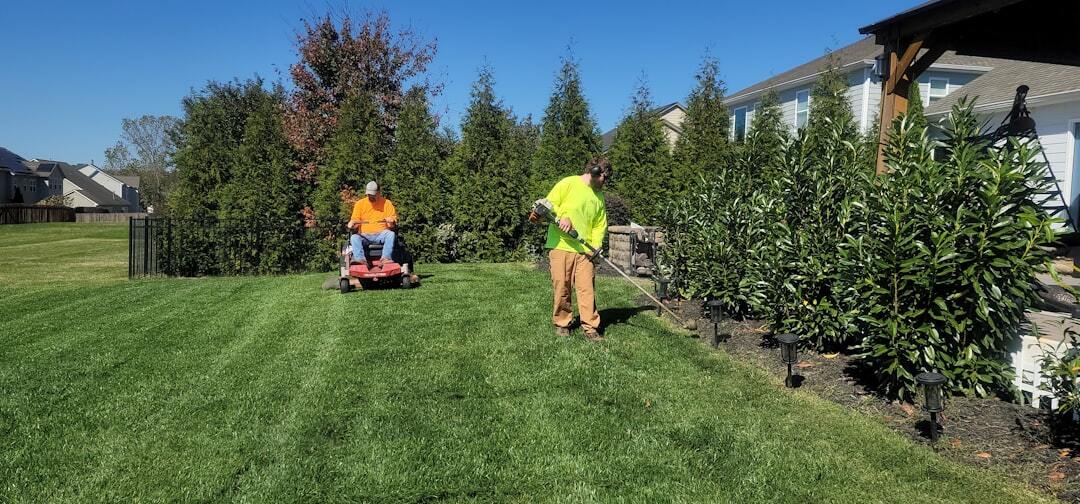
Common Lawn Care Myths Debunked
Misconceptions can lead to poor lawn care practices. Understanding the truth ensures healthy lawn management. Dispelling myths aids in making informed decisions.
One common myth involves frequent watering. In reality, deep and infrequent watering promotes strong roots. Another misconception is that grass clippings should always be bagged. However, leaving them can return nutrients to the soil.
- Myth: Lawns need daily watering.
- Myth: Short grass looks better.
- Myth: All brown spots are dead grass.
Correcting these myths helps maintain a vibrant and healthy lawn. Knowledge is key to effective lawn care.
Frequently Asked Questions About Lawn Care
What is the most important lawn care tip?
Mow at the correct height for your grass type and never remove more than one-third of the blade in a single cut. This single habit reduces water stress, crowds out weeds, and encourages deeper root growth, which compounds the benefits of every other lawn care practice you do.
How often should I mow my lawn?
During active growing season, most lawns need mowing once every five to seven days. Cool-season grasses grow fastest in spring and fall; warm-season grasses peak in summer. Adjust frequency to match growth, not the calendar. If you are bagging more than one-third of the blade, you waited too long.
When is the best time to water my lawn?
Water deeply early in the morning, between 4 and 9 AM. Morning watering lets the blades dry by midday, which prevents fungal disease, and reduces evaporation loss compared to afternoon watering. Aim for one inch of water per week, including rainfall, applied in one or two deep sessions rather than daily light sprinkling.
What is the best fertilizer schedule for a healthy lawn?
Cool-season grasses (fescue, bluegrass, ryegrass) need three to four feedings: early spring, late spring, early fall, and late fall. Warm-season grasses (Bermuda, zoysia, St. Augustine) feed during their growing season, late spring through summer, with three applications six to eight weeks apart. Always soil test first to avoid over-applying nitrogen.
How can I prevent weeds without using chemicals?
The best natural weed defense is a thick, healthy lawn. Mow tall (3 to 4 inches for most grasses), water deeply but infrequently, overseed bare spots in fall, and topdress with compost annually. Hand-pull or spot-treat early weeds before they seed. Corn gluten meal applied in early spring acts as a natural pre-emergent.
Is professional lawn care worth it?
Hiring a professional makes sense when you lack the time, equipment, or knowledge to maintain consistent care year-round. Pros handle scheduling, equipment, fertilizer calibration, and pest issues, and most homeowners spend less on professional service than they would on DIY supplies and lost weekends combined. Get quotes from at least three local providers before deciding.
Conclusion: Building a Lawn Care Routine for Lasting Results
Creating a consistent lawn care routine is crucial for a lush, green lawn. Tailoring your strategies to your grass type and regional climate ensures optimal results.
Regular maintenance tasks, such as mowing and watering, combined with periodic activities like fertilization and aeration, promote long-term health. A little planning and understanding of your lawn's needs go a long way. With dedication and mindful practices, your lawn will thrive throughout every season.