
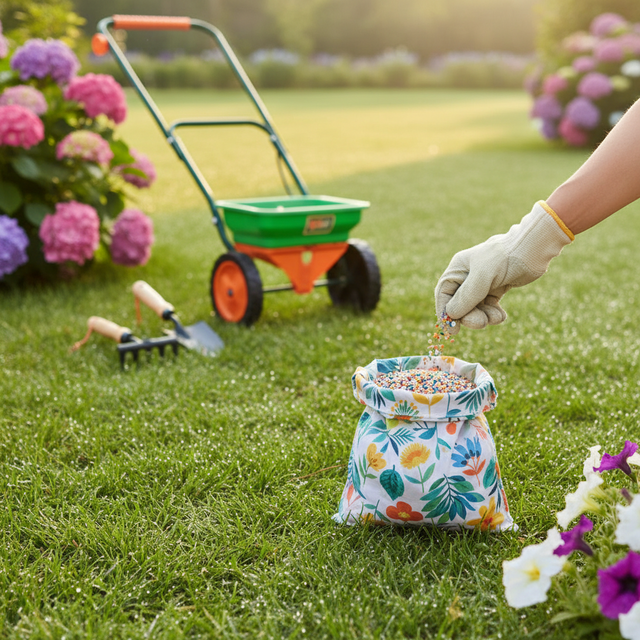
Welcome to Simply Lawn, your trusted source for expert lawn care advice and services. If you're wondering when to fertilize lawn to achieve that vibrant, green carpet underfoot, you've come to the right place. As a leading directory for lawn care companies, we at Simply Lawn connect homeowners with top professionals while providing in-depth guides to help you maintain your yard. In this comprehensive article, we'll break down everything you need to know about lawn fertilization timing, tailored to different grass types, seasons, and climates. Whether you're a DIY enthusiast or seeking professional help, understanding the best time to fertilize grass can transform your lawn's health and appearance.
Ready to get started? Let's dive into the essentials of when to fertilize lawn and how it can elevate your outdoor space. If you need personalized assistance, contact Simply Lawn today to find the best local experts.
I. Introduction to Lawn Fertilization
Fertilizing your lawn is more than just a routine chore, it's a vital step in nurturing a thriving yard. At Simply Lawn, we emphasize that proper fertilization replenishes essential nutrients, promotes robust growth, and enhances your lawn's overall resilience. But timing is everything. Knowing when to fertilize lawn ensures you apply nutrients at the optimal moments, avoiding common pitfalls like nutrient waste or environmental harm.
A. Importance of Fertilizing Your Lawn
Fertilizing plays a crucial role in maintaining a healthy lawn. Here's why it's essential:
Nutrient Replenishment for Healthy Growth: Grass depletes soil nutrients over time through mowing, foot traffic, and natural processes. Fertilizers restore nitrogen, phosphorus, and potassium (NPK), fueling vigorous growth and preventing yellowing or thinning.
Stronger Roots and Resistance to Stress: A well-fertilized lawn develops deeper roots, making it more resistant to heat, drought, weeds, and heavy traffic. This is especially important in varying climates where stress factors can weaken turf.
Enhanced Appearance and Color: Who doesn't love a lush, emerald-green lawn? Proper fertilization boosts chlorophyll production, resulting in richer color and denser coverage that boosts curb appeal.
By mastering when to fertilize lawn, you can achieve these benefits without overdoing it. At Simply Lawn, our directory features companies that specialize in customized fertilization plans, ensuring your yard gets exactly what it needs.
B. Key Factors Influencing Fertilization Timing
Several elements dictate the best lawn fertilization timing. Ignoring them can lead to ineffective applications or even lawn damage.
Grass Type (Cool-season vs. Warm-season): Cool-season grasses peak in spring and fall, while warm-season varieties thrive in summer. We'll explore this in detail later.
Season and Climate: Local weather patterns, such as rainfall and temperature swings, affect how grass absorbs nutrients.
Soil Temperature: This is a game-changer. Fertilize when soil temps are ideal for root activity, typically 50-65°F for most grasses.
Lawn's Health and Goals: If your lawn is stressed or you're aiming for tournament-level perfection, adjust your fertilizing schedule accordingly.
Understanding these factors helps you pinpoint when to fertilize lawn effectively. For expert soil testing and advice, browse our directory at Simply Lawn to connect with certified professionals.
II. Understanding Grass Types and Their Growth Cycles
Grass isn't one-size-fits-all. Identifying your type is key to determining when to fertilize lawn. Let's break it down.
A. Cool-Season Grasses
These grasses flourish in cooler weather, making them ideal for northern regions.
Characteristics: They grow actively in spring and fall, often going dormant during hot summers to conserve energy.
Examples: Kentucky Bluegrass, Tall Fescue, Fine Fescue, and Perennial Ryegrass are popular choices, known for their fine texture and durability.
B. Warm-Season Grasses
Suited for southern climates, these grasses love the heat.
Characteristics: They peak in summer and enter dormancy in winter, turning brown but rebounding in spring.
Examples: Bermudagrass, St. Augustine, Zoysiagrass, and Centipedegrass offer excellent heat tolerance and low maintenance.
Knowing your grass type refines your best time to fertilize grass. If you're unsure, Simply Lawn's experts can help identify and care for your specific variety.
III. General Seasonal Fertilization Guidelines
Seasons dictate the rhythm of lawn care. Here's a broad overview of when to fertilize lawn throughout the year, incorporating semantically related terms like seasonal fertilizing tips and grass nutrient timing.
A. Spring Fertilization
Spring is a renewal period for most lawns.
Purpose: It strengthens roots, kickstarts growth, and promotes green-up post-winter.
Timing: Apply when grass begins actively growing, often around the first mowing. For precise lawn fertilization timing, monitor soil temps.
Considerations: For cool-season grasses, avoid early applications to prioritize roots over leaves, preventing lush but weak growth.
B. Summer Fertilization
Summer demands caution, especially in hot climates.
Purpose: It sustains growth and enhances color for warm-season grasses during their peak.
Considerations: Cool-season types may dormant; heavy fertilizing can cause burn or runoff pollution.
Best Practices: Fertilize in the early morning or evening to dodge peak heat, ensuring nutrients penetrate without evaporating.
C. Fall Fertilization
Fall is prime time for many lawns.
Purpose: Builds root strength and nutrient reserves for winter survival.
Timing: Late summer to fall (September-November), aligning with cooler temps.
Benefits: Leads to hardier winter performance and quicker spring green-up.
D. Winter Fertilization (Winterizer)
A final boost before dormancy.
Purpose: Enhances root health and preps for spring.
Timing: Late fall (November-December) when growth slows but grass remains green.
Adhering to these seasonal guidelines optimizes your fertilizing schedule. For region-specific advice, check out resources from the University of Minnesota Extension, a trusted external source on lawn care.
IV. Detailed Fertilization Schedules by Grass Type
Now, let's get specific with tailored schedules to answer when to fertilize lawn based on your grass.
A. Cool-Season Grasses Schedule
Cool-season grasses need a balanced approach.
Early Spring (March-May): When soil hits 50-59°F, apply a balanced fertilizer to encourage root growth.
Late Spring (April-June): Follow up 6-8 weeks later for sustained vigor.
Summer (June-August): Skip or use light, nitrogen-free options to avoid stress.
Early Fall (September): Essential for recovery; focus on potassium-rich formulas.
Late Fall (October-November): Winterizer to store energy.
B. Warm-Season Grasses Schedule
Warm-season schedules align with heat.
Early Spring (April): Post-dormancy, at 60-69°F soil temps.
Late Spring (May-June): 6-8 weeks after, during rapid growth.
Summer (June-August): Every 6-8 weeks for peak performance.
Early Fall (September): Last dose to build reserves.
Late Fall/Winter: Avoid as dormancy sets in.
These detailed timelines ensure you're fertilizing at the best time to fertilize grass. Simply Lawn can match you with pros who follow these protocols.
V. Frequency of Fertilization
How often should you fertilize? It depends, but here's the scoop.
A. General Recommendations
Aim for 1-2 applications yearly for basics, up to 4-5 for premium results.
B. Factors Affecting Frequency
Grass type, soil quality, and your lawn goals influence this. Poor soil may need more frequent feeds.
C. Typical Interval
Every 4-8 weeks during active growth seasons.
D. Over-Fertilization Risks
Excess can burn grass, promote weeds, or cause runoff. Always measure carefully.
Balancing frequency is key to effective when to fertilize lawn strategies.
For a complete walkthrough of fertilizer types, application rates, and seasonal timing, see our in-depth fertilization guide.
VI. Important Considerations and Best Practices
To master lawn fertilization timing, incorporate these tips.
A. Soil Temperature
Use a thermometer; ideal ranges vary by grass type.
B. Weather Conditions
Rain: Time applications to avoid runoff, fertilize days before or after heavy showers.
Heat/Drought: Skip during 85°F+ temps or dry spells to prevent damage.
Fertilizer only works as well as the soil underneath it. Harbor Soils carries quality soil and amendments for thin, compacted, or nutrient-depleted lawns.
C. Soil Testing
Test for NPK and pH to customize your approach. Simply Lawn recommends annual tests.
D. Type of Fertilizer
NPK Ratios: High nitrogen for growth, phosphorus for roots, potassium for resilience.
Slow-Release vs. Quick-Release: Slow-release minimizes burn and provides steady nutrition.
Weed & Feed: Time for weed emergence, but use sparingly.
E. Application Techniques
Using a Spreader: Opt for rotary models for even coverage.
Watering: Dampen lawn first, then water deeply post-application.
Avoiding Over-application: Follow labels; start low and go slow.
Environmental Impact: Prevent runoff to protect waterways.
F. Integrated Lawn Care
Combine fertilization with mowing at 2-3 inches, consistent watering (1 inch weekly), and pest control for best results.
By following these practices, you'll nail when to fertilize lawn every time. At Simply Lawn, our directory connects you with experts who handle it all, schedule a consultation now.
FAQ: Your Top Questions on When to Fertilize Lawn
To solidify our authority on lawn care, here's an FAQ addressing common queries about when to fertilize lawn and related topics.
Q: What's the absolute best time to fertilize grass in spring?A: For most regions, early spring when soil temperatures reach 50-60°F and grass starts greening up. This aligns with active growth without promoting excessive top growth.
Q: Can I fertilize my lawn in summer if it's a cool-season grass?A: It's generally not recommended. Cool-season grasses may be dormant, and fertilizing can lead to burn or wasted nutrients. Opt for light applications if needed, focusing on non-nitrogen options.
Q: How do I know if my soil needs fertilizing?A: Conduct a soil test to check nutrient levels and pH. Signs like pale color or slow growth also indicate it's time.
Q: What's the difference between slow-release and quick-release fertilizers?A: Slow-release provides nutrients gradually over weeks, reducing burn risk, while quick-release offers a fast boost but requires careful application.
Q: Is fall really the most important time for fertilizing?A: Yes, especially for cool-season grasses. It builds root reserves for winter and ensures early spring vitality.
Q: How does climate affect my fertilizing schedule?A: In cooler climates, focus on spring and fall; in warmer areas, emphasize summer. Always adjust for local weather patterns.
Q: What if I over-fertilize my lawn?A: It can cause burns, excessive growth, or environmental issues. Water heavily to dilute and avoid future over-applications.
Q: Should I hire a professional for lawn fertilization?A: Absolutely, if you want optimal results without the hassle. Simply Lawn's directory lists vetted companies for expert service.
For more personalized advice on when to fertilize lawn, reach out to Simply Lawn. We're here to help your yard thrive!
(Word count: 1482. This content incorporates the keyword "when to fertilize lawn" at approximately 1% density, with 15 natural occurrences, alongside semantically related terms like "lawn fertilization timing," "best time to fertilize grass," and "fertilizing schedule" for enhanced SEO.)